About
Why Does This Blog Exist?
This blog owes its existence to La Fée Culturelle. After leaving a few rather lengthy comments, I wrote down what I was trying to say as separate blog posts. Then, despite my best intentions, the blog started to grow.
What Is It About?
Museum Art
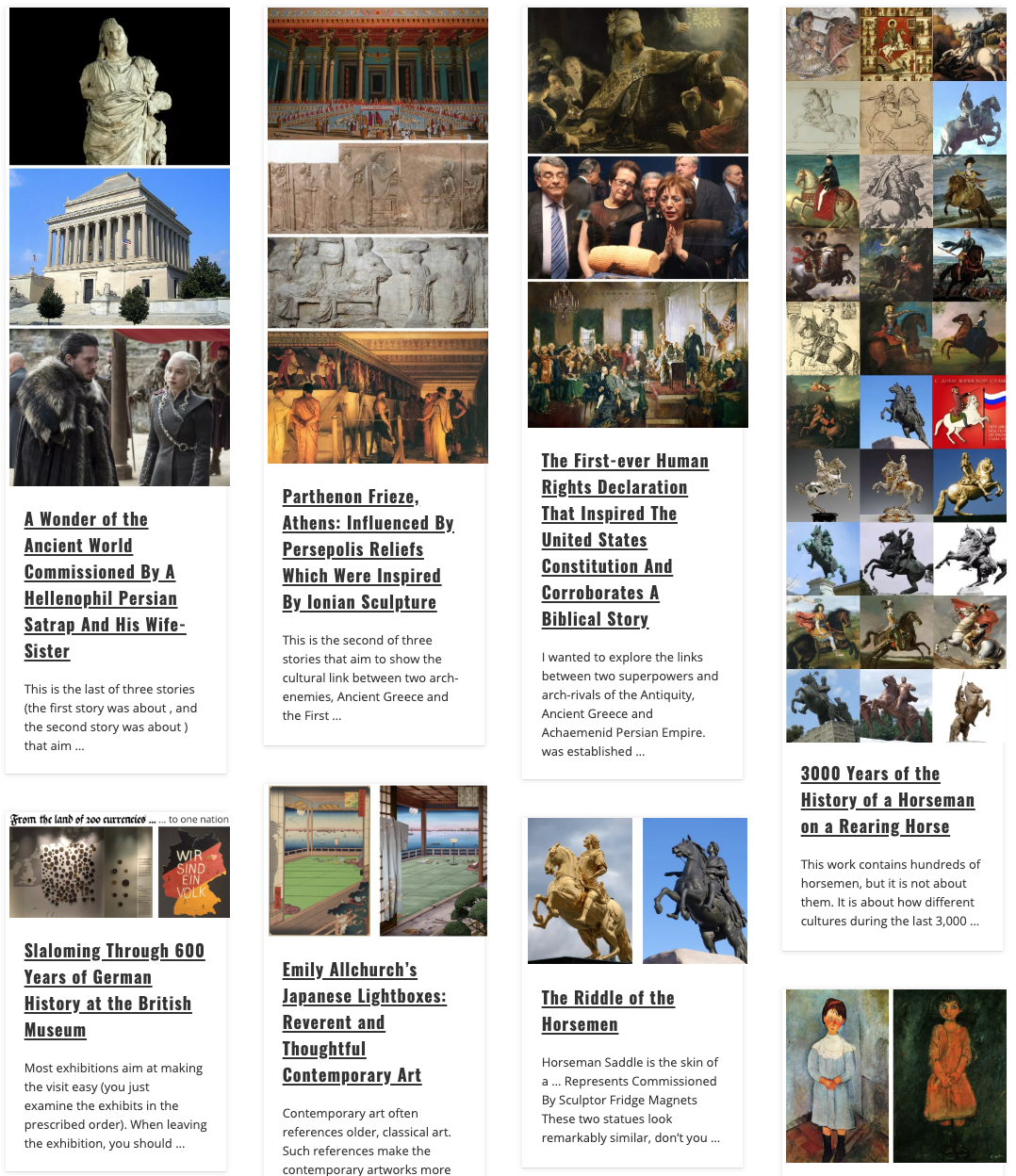
'What unites people? ... Stories. There is nothing in the world more powerful than a good story... He (Bran) is our memories, the keeper of all our stories... Who better to lead us into the future?'

Yuval Noah Harari

"Sapiens" by Yuval Noah Harari, 2015
…
How did Homo sapiens manage to cross this critical threshold, eventually founding cities comprising tens of thousands of inhabitants and empires ruling hundreds of millions? The secret was probably the appearance of fiction. Large numbers of strangers can cooperate successfully by believing in common myths.
…
It all revolved around telling stories, and convincing people to believe them.
…
Telling effective stories is not easy. The difficulty lies not in telling the story, but in convincing everyone else to believe it.”
Social Science
Shakespeare
Food
Disclaimer
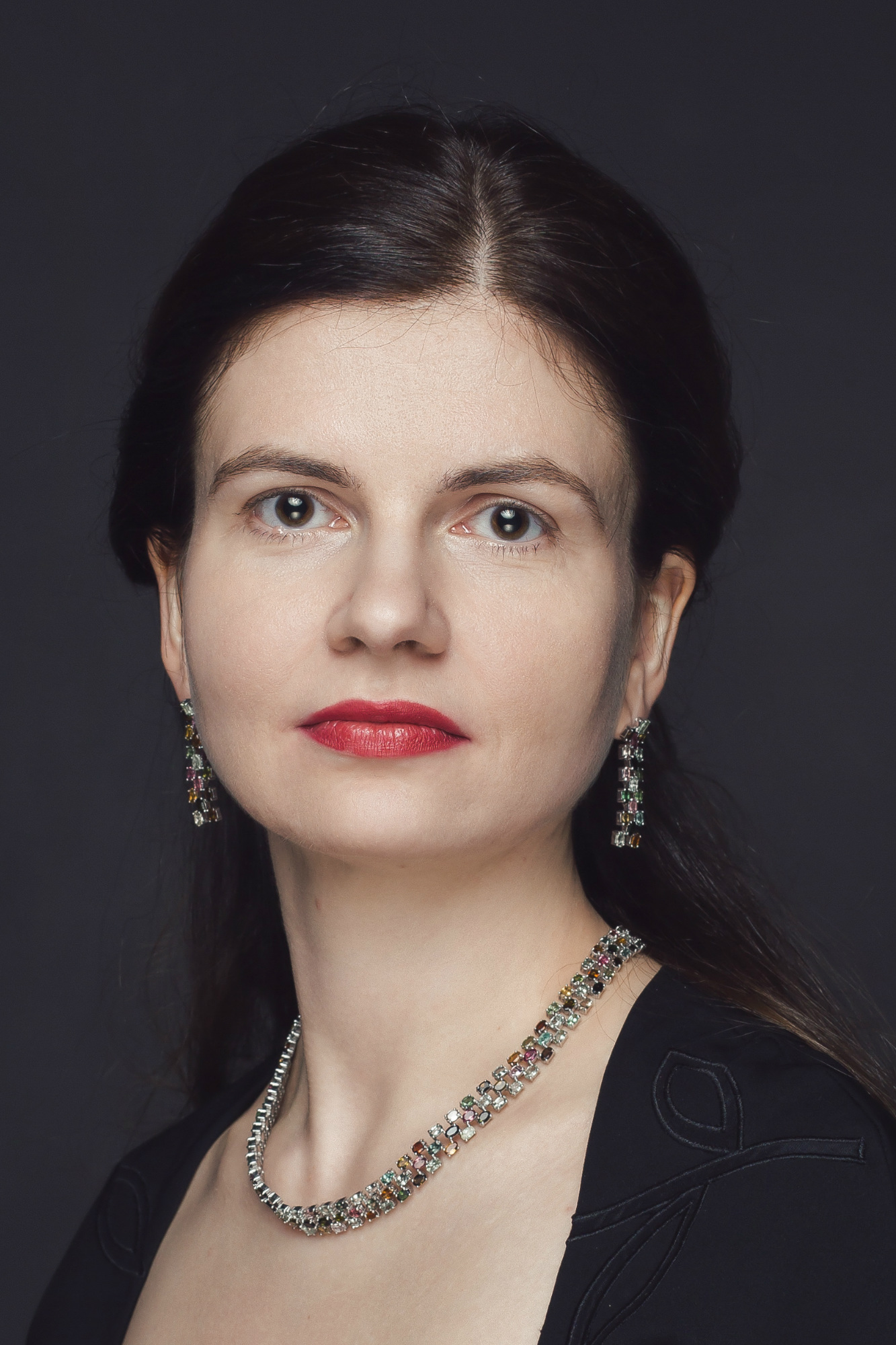
I have no professional knowledge of the subjects I write about, and English is my third language, so please doubt, correct me if I need to be corrected, and leave your comments!
Images
The image sources I use most frequently are:
- Wikimedia Commons – it’s the biggest and the easiest-to-use image source.
- Digital collections of prominent museums, such as The British Museum, The Royal Collection, The Victoria and Albert Museum, The J. Paul Getty Museum etc.
- Art databases Artcyclopedia, Europeana collections, Réunion des Musées Nationaux – Grand Palais (in French), La Red Digital de Colecciones de Museos de España (in Spanish) and Bildindex (in German).
- Clipart comes from Pixabay, Kisspng and Freepik.
Images-related tools I use are:
- 1001 fonts and 1001 free fonts: both these websites allow you to try fonts online;
- Pixlr Editor: my favourite image editor;
- Pic Monkey: this image editor can rotate an image at an arbitrary angle.
Website image credits:
- My favicon is based on Cup of Coffee by Filip Nohe via Wikimedia Commons.
WordPress Setup
This WordPress website is hosted at Hostinger. I use:
- Pinboard as a base theme; see onedesigns.com for further details. I wanted to customise Pinboard a little, so I have created a child theme using this tutorial;
- Google Analytics; to enable it, I have installed this WordPress plugin.
This is how I debug my WordPress site: in public_html/wp-config.php, I set define('WP_DEBUG', true);, define('WP_DEBUG_LOG', true); and define('WP_DEBUG_DISPLAY', false);. This allows to write to /wp-content/debug.log using PHP’s built-in error_log() function, e.g. error_log( print_r($multidimensionalarray, TRUE) );. More details here.
Text Tools I Use
- Grammarly is great for spelling, grammar and punctuation checks;
- English @ StackExchange.com: the English language forum;
- BrokenLinkCheck.com: the name of this website is self-explanatory! It is easy and free to use.
Leave a Reply