Two very specific images of the horsemen on rearing horses were so popular with the patrons that they became clichés.
The third series of the images is not likely to be a cliché invented by artists, but the subject was appearing naturally in s very similar way throughout millennia, so it is worth tracking its evolution.
Horsemen Receiving Victory Emblems For 2,100 Years
↑ Back To Table Of Contents ↑
Here are several very similar images: a male horseman on a rearing horse is receiving an emblem of victory, often a laurel wreath but sometimes a ribboned necklace, from a winged, almost always female, creature. This very specific iconography was appearing in art objects throughout over 2,100 years in very different cultures: Ancient Greece, Sassanian Persia, Catholic Flandres, Duchy of Savoy, France and Bavaria, Protestant England and Orthodox Russia! Observe that on all modern era portraits the sovereigns are holding a baton, Marie Jeanne Baptiste of Savoy-Nemours, who holds a sword (and the cherub with a laurel wreath seems to have changed his mind and is flying away from her!).
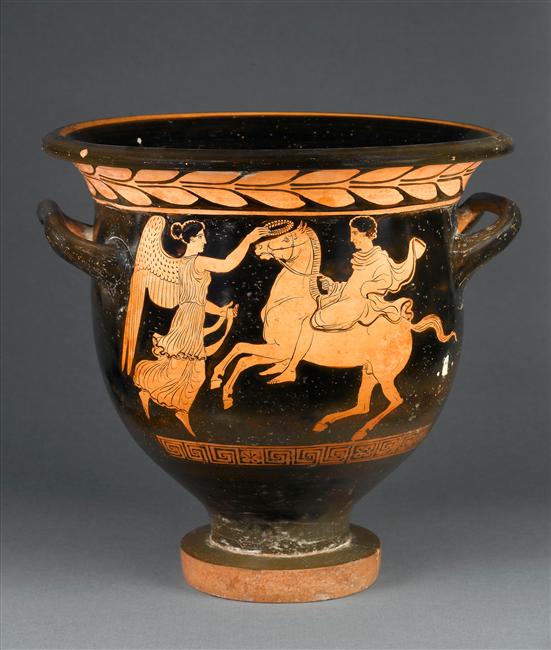
Bell-krater showing a horseman crowned by Nike, cr. 420 BC, Attic
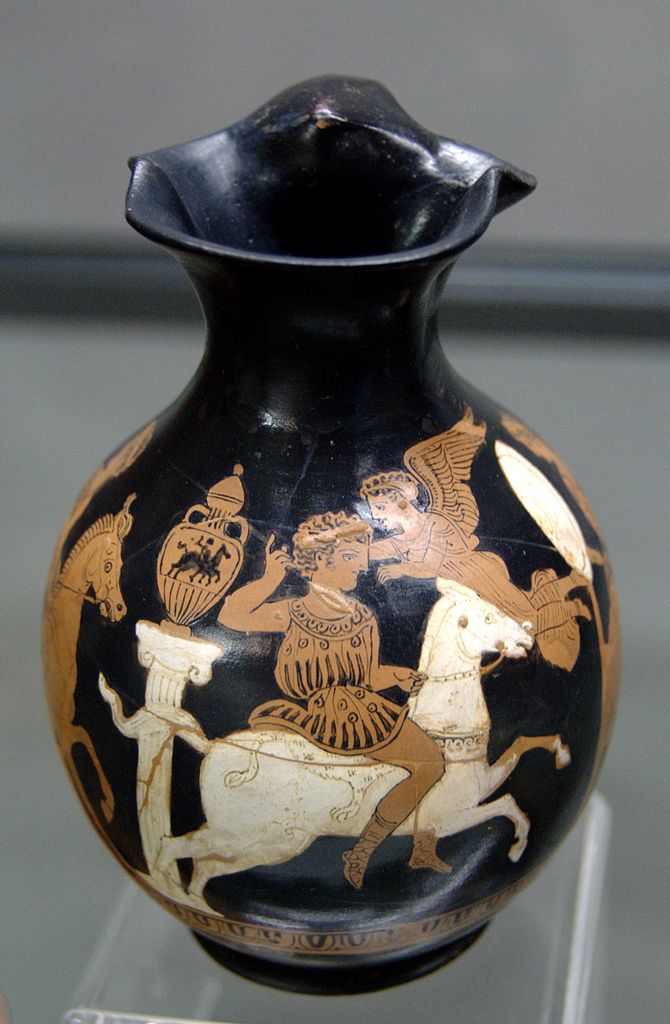
Oinochoe showing a horseman and an amphora showing a horseman, beginning of the 4th century BC, Attic
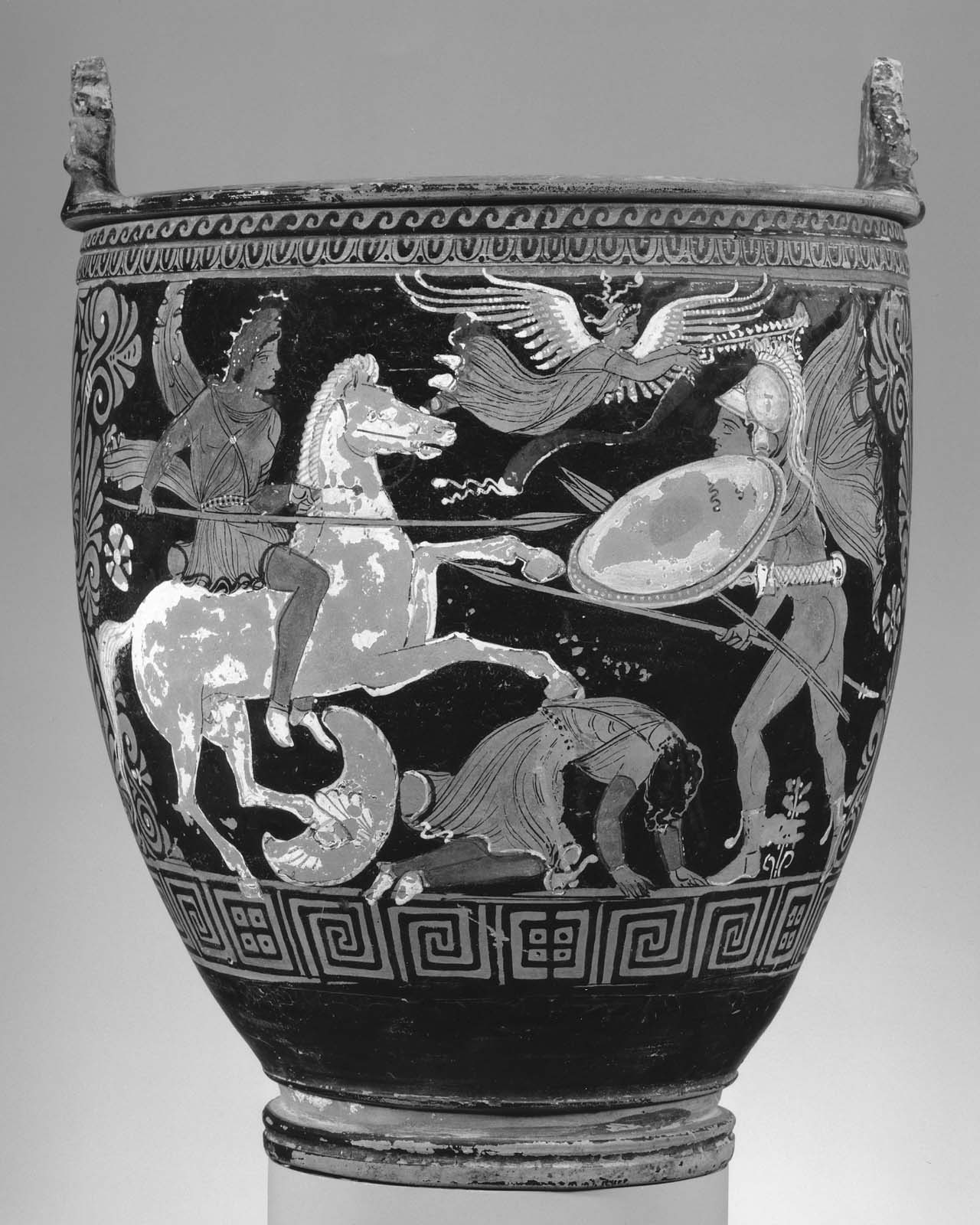
Situla with an Amazonomachy scene, 340–330 BC, Apulia
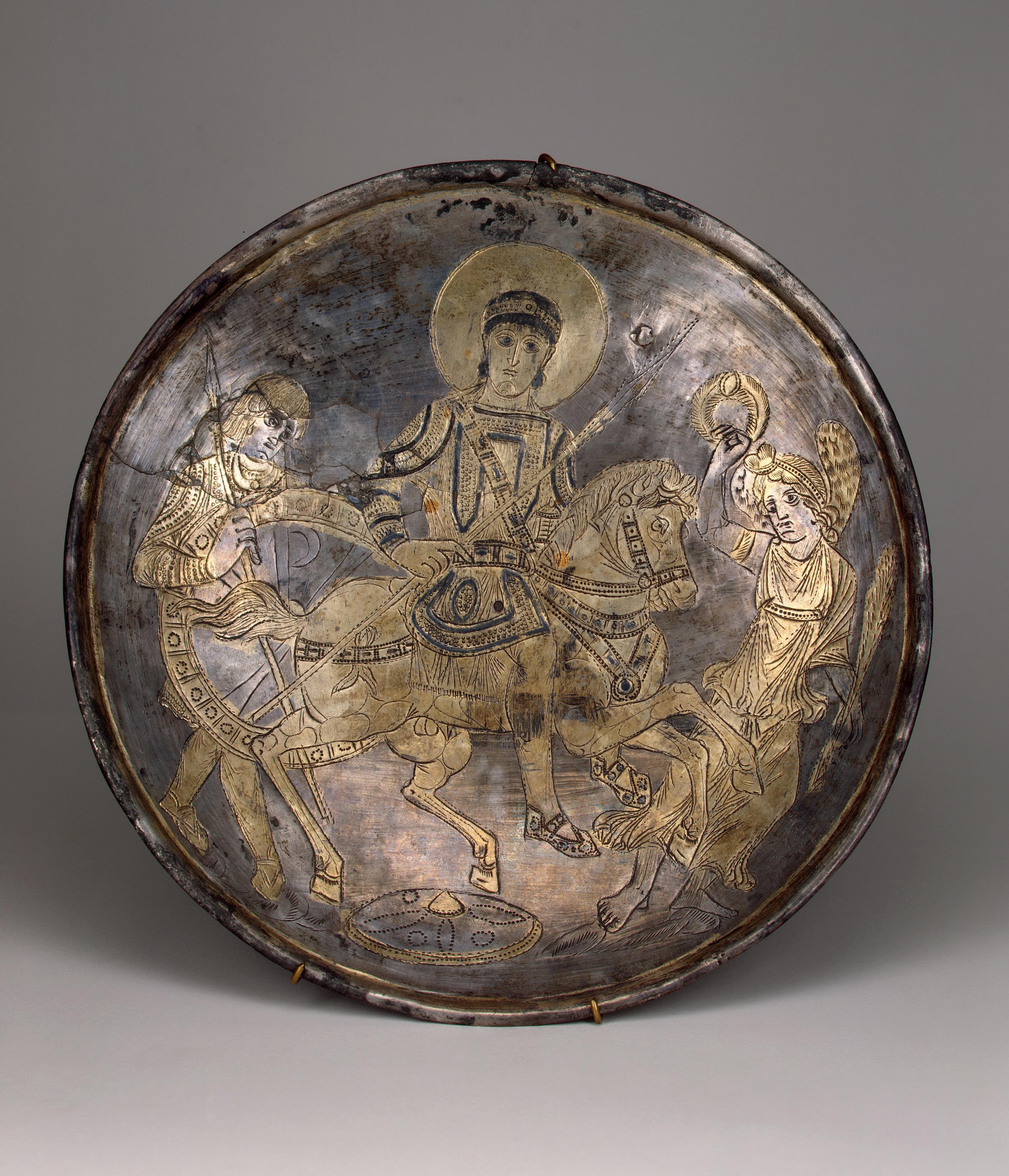
A bowl with a scene of a triumph of Constantius II, mid-4th century AD
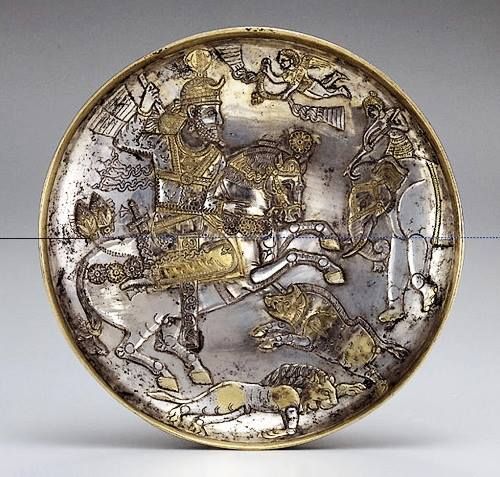
Plate with a King Hunting Animals, 7th century
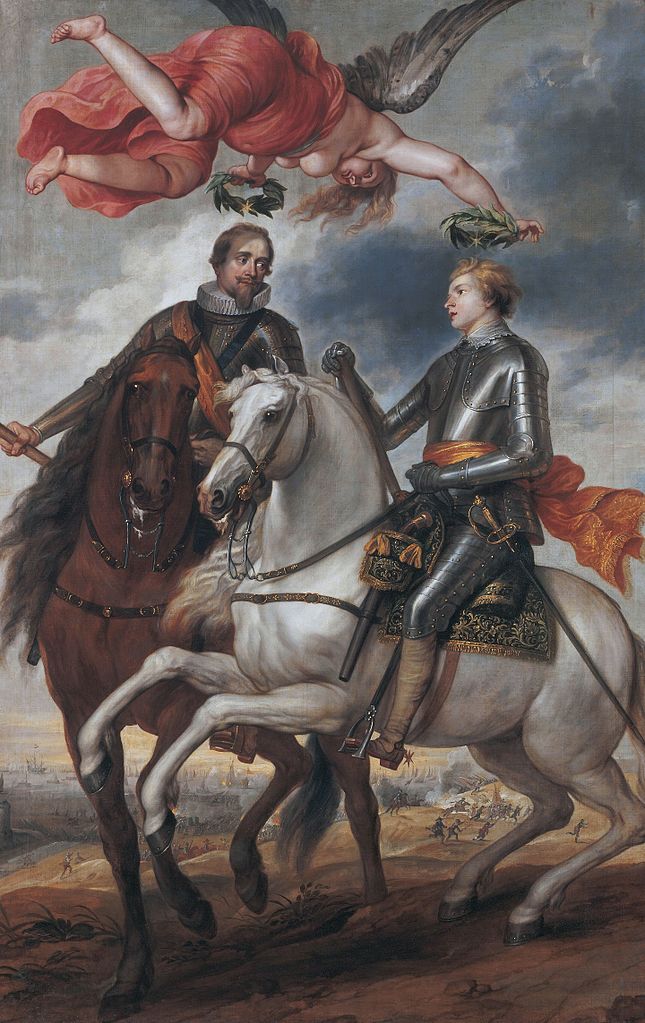
Frederik Hendrik and Maurits as generals, with the Battle of Flanders in the distance, 1650, Thomas Willeboirts Bosschaert, Flemish
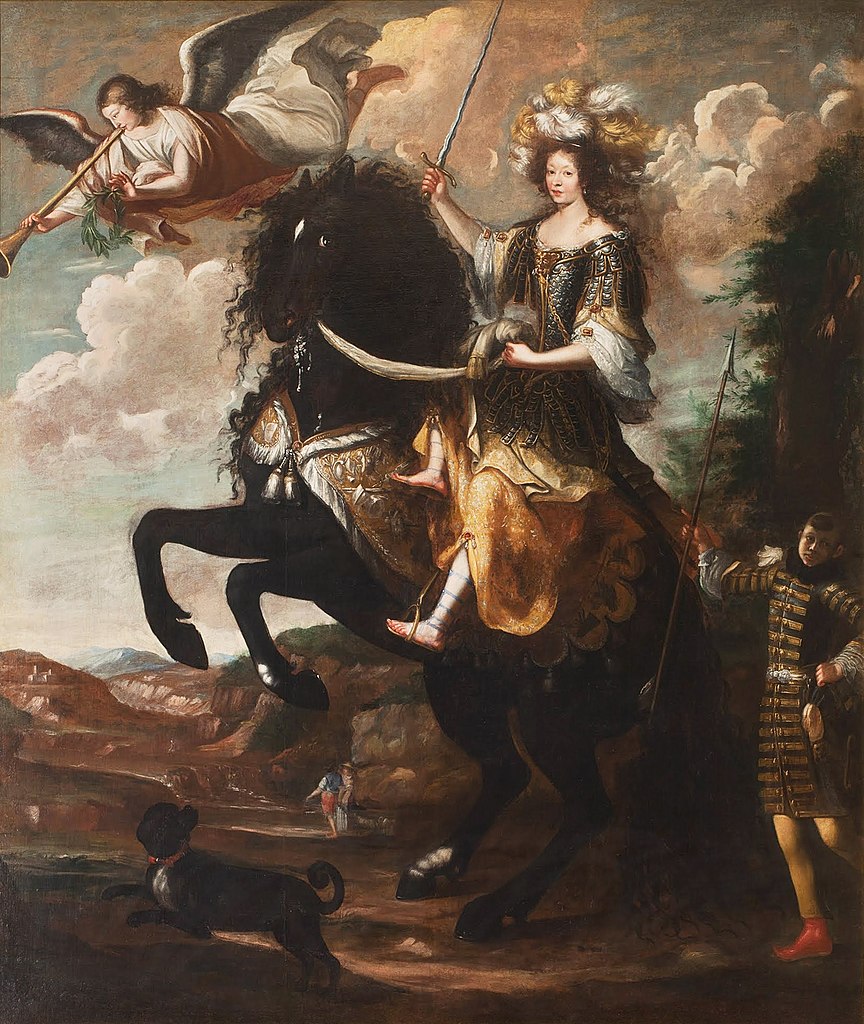
Equestian portrait of Marie Jeanne Baptiste of Savoy-Nemours, Duchess of Savoy, 1660-75, Giovanni Luigi Buffi, Duchy of Savoy
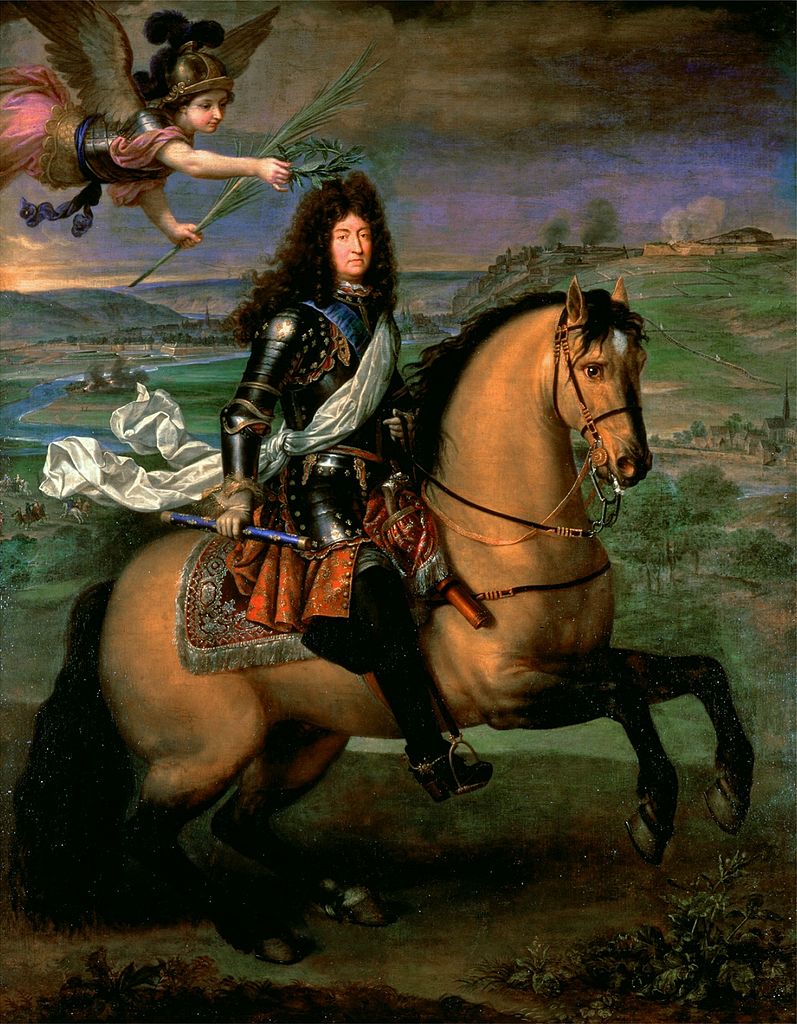
Louis XIV on horseback crowned by the Victory, 1674, Pierre Mignard
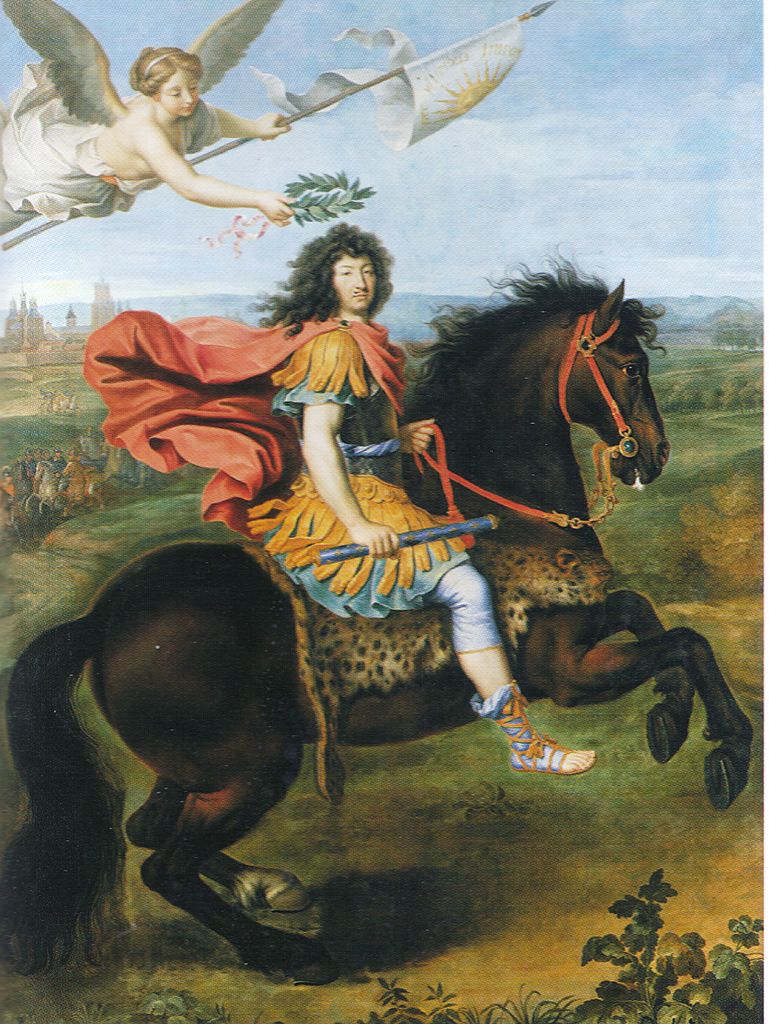
Louis XIV on horseback, 1673, Pierre Mignard
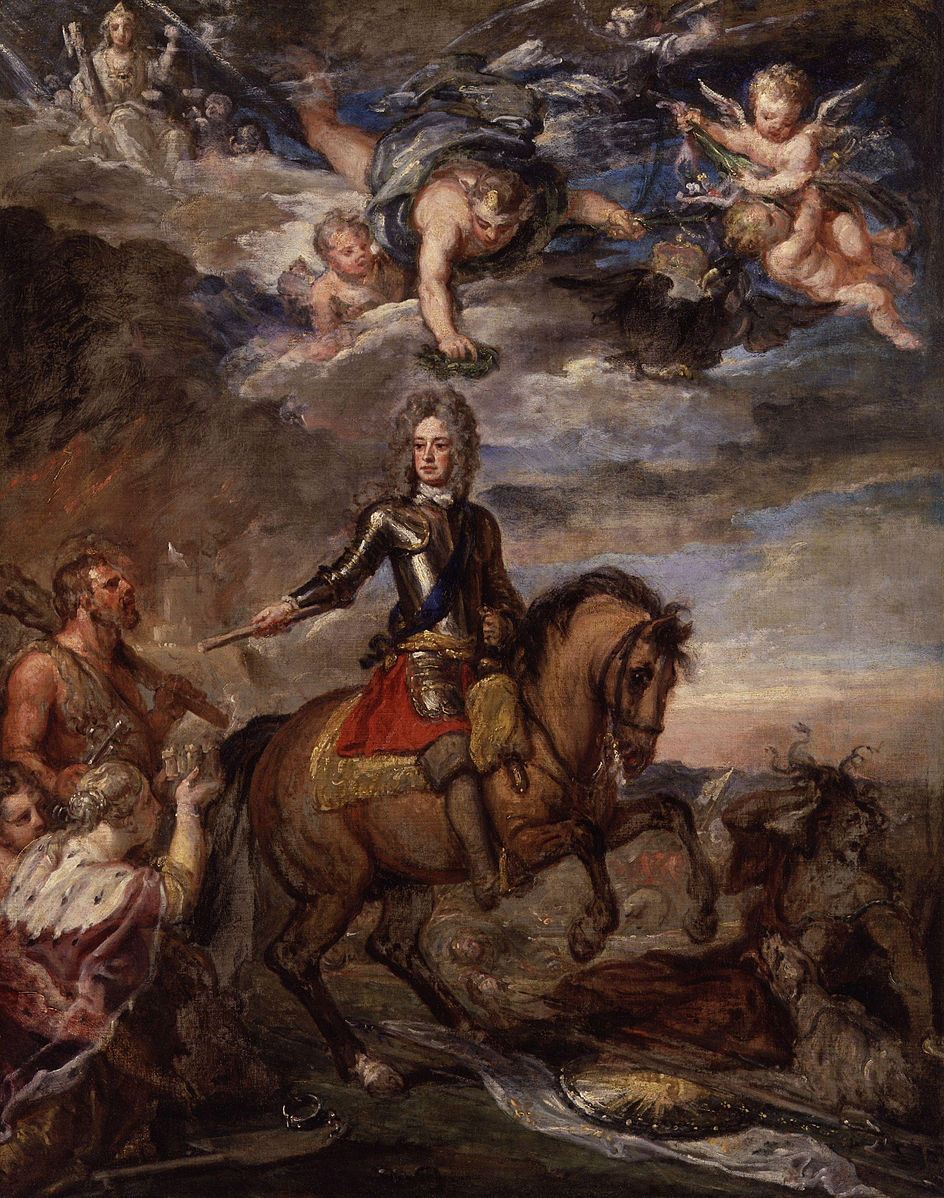
John Churchill, 1st Duke of Marlborough, before 1723, Godfrey Kneller
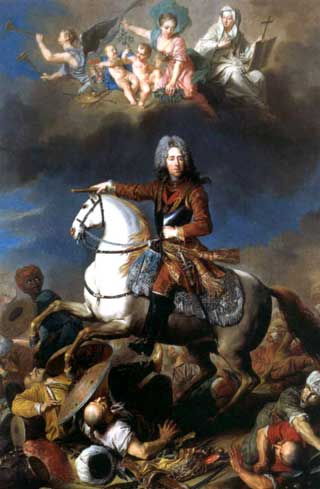
Equestrian portrait of Prince Eugene of Savoy, early 18th century, Jacob van Schuppen
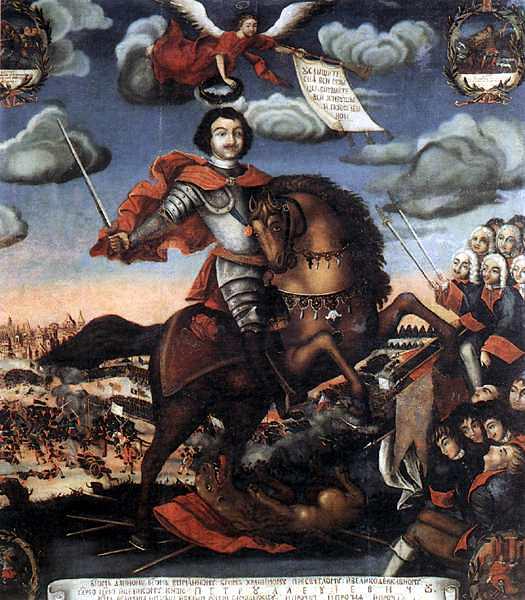
Allegory of the Victory at Poltava (Apotheosis of Peter I), circa 1710, Unknown
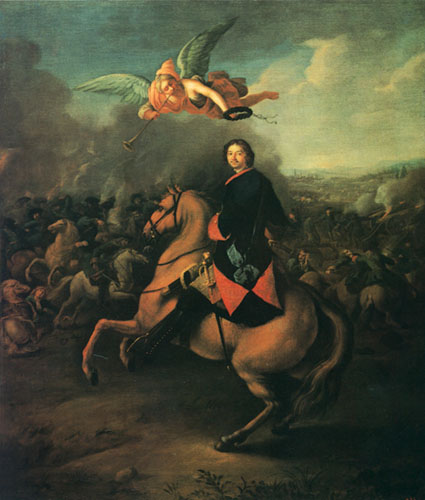
Peter I at the Battle of Poltava, 1724 or 1725, Johann Gottfried Tannauer
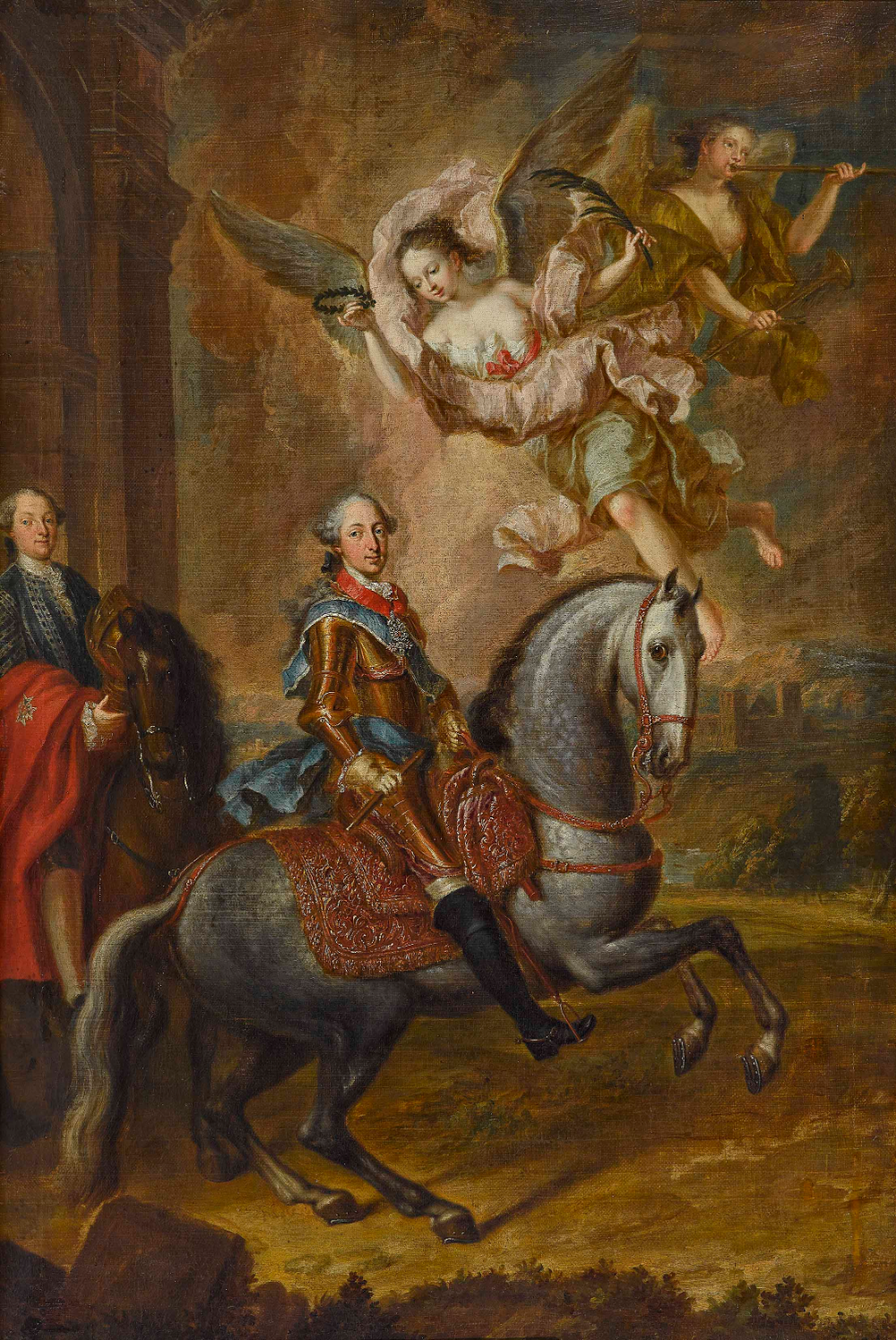
Elector Maximilian III Josef of Bavaria on horseback, 1758, Georges Desmarées, Bavaria, Germany
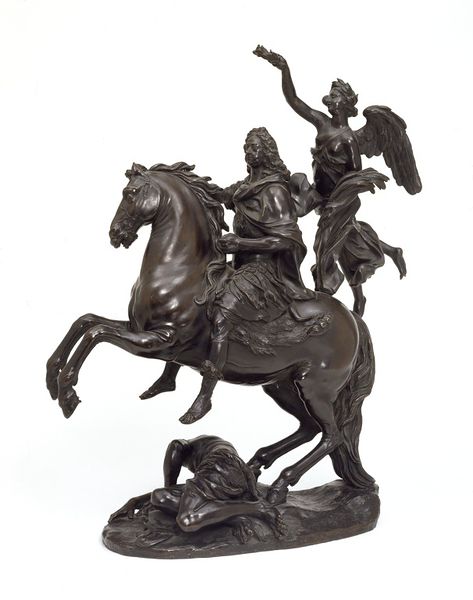
Victory crowning a Prince, probably Louis XIV, early 18th century, Guillielmus de Grof, Bavaria
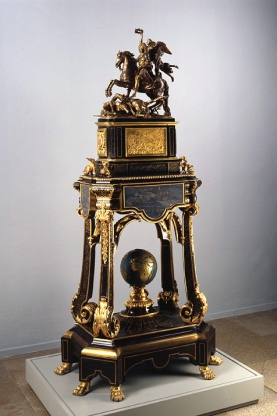
Elector Maximilian II Emanuel of Bavaria as Victor over the Turks, 1714, Guillielmus de Grof, Bavaria
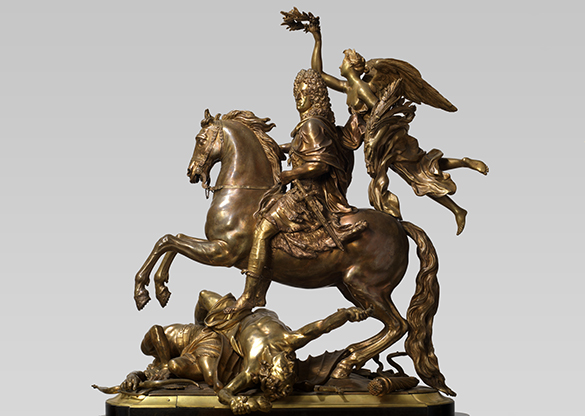
Elector Maximilian II Emanuel of Bavaria as Victor over the Turks (detail), 1714, Guillielmus de Grof, Bavaria
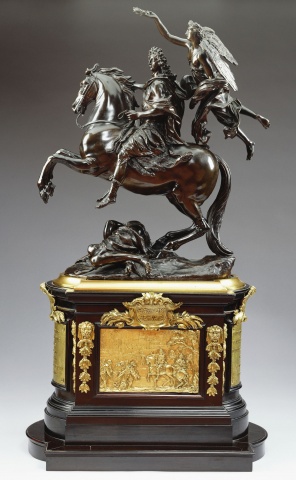
William III garlanded by Victory, early eighteenth century, French School
Horsemen With Batons, A Status Symbol Of The 16th-19th Centuries
↑ Back To Table Of Contents ↑
Being portrayed on a rearing horse, preferably dressed à l’antique, wearing a sash and holding a baton, was a status symbol in the 17th-century gentlemen, pretty much as #followme photos for the 21st-century ladies (see below). The trend has appeared in the second half of the 16th century in prints, reached its highest point in the 17th century, then dispersed throughout Europe, descended into trivialization and disappeared by the middle of the 19th century. Unlike the victory symbols cliché, this image was not reserved for the royalty, the aristocracy could use it as well.
French king Louis XIV (1638 – 1715) and two field marshals, John Churchill, 1st Duke of Marlborough (1650-1722, England) and Prince Eugene of Savoy (1663- 1736, the Holy Roman Empire and Austria), deserve a particular mention since they were have been represented on the paintings that combine both clichés.
In addition, Prince Eugene of Savoy feature on a painting with two, maybe even three horsemen on rearing horses with batons.
Louis XIV on horseback crowned by the Victory, 1674, Pierre Mignard
Louis XIV on horseback, 1673, Pierre Mignard
John Churchill, 1st Duke of Marlborough, before 1723, Godfrey Kneller
Equestrian portrait of Prince Eugene of Savoy, early 18th century, Jacob van Schuppen
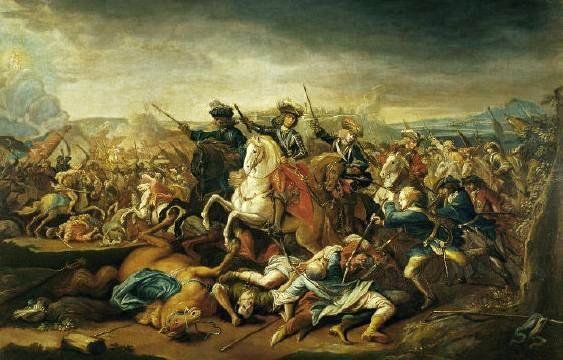
Eugene of Savoy during the Battle of Belgrade (1717), cr. 1720, Johann Gottfried Auerbach
The image was first used for the antique heroes and rulers, but soon after it was adopted to portray the contemporary patrons.
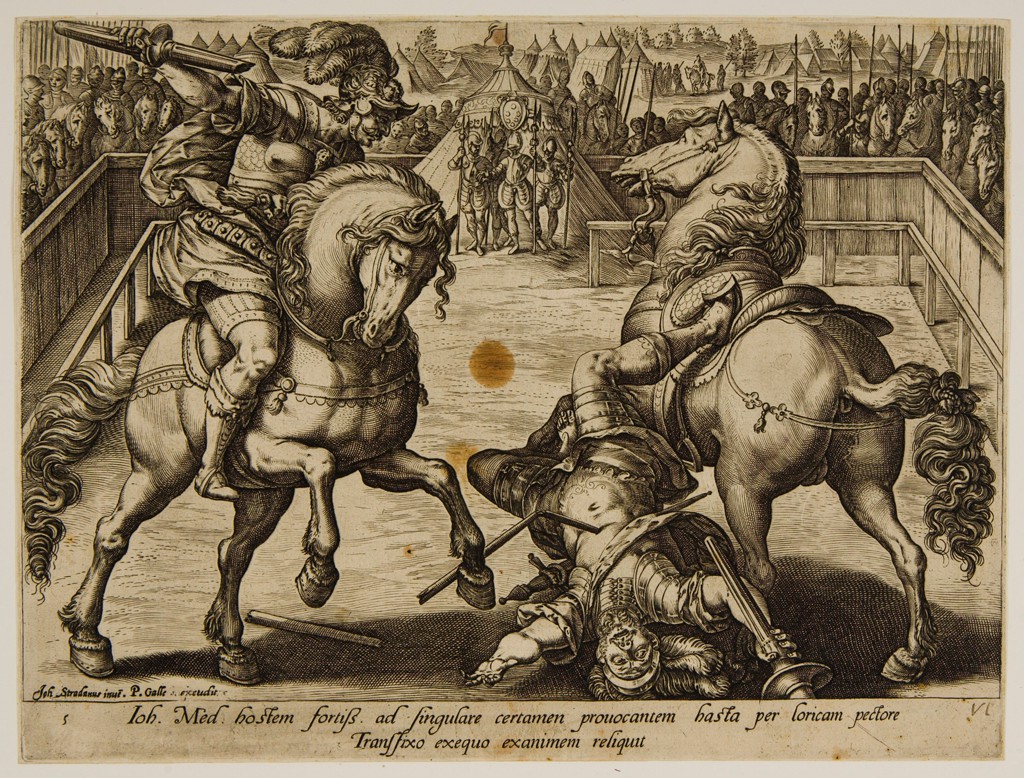
Giovanni de Medici in a Duel, cr. 1578, Hendrick Goltzius, Netherlands
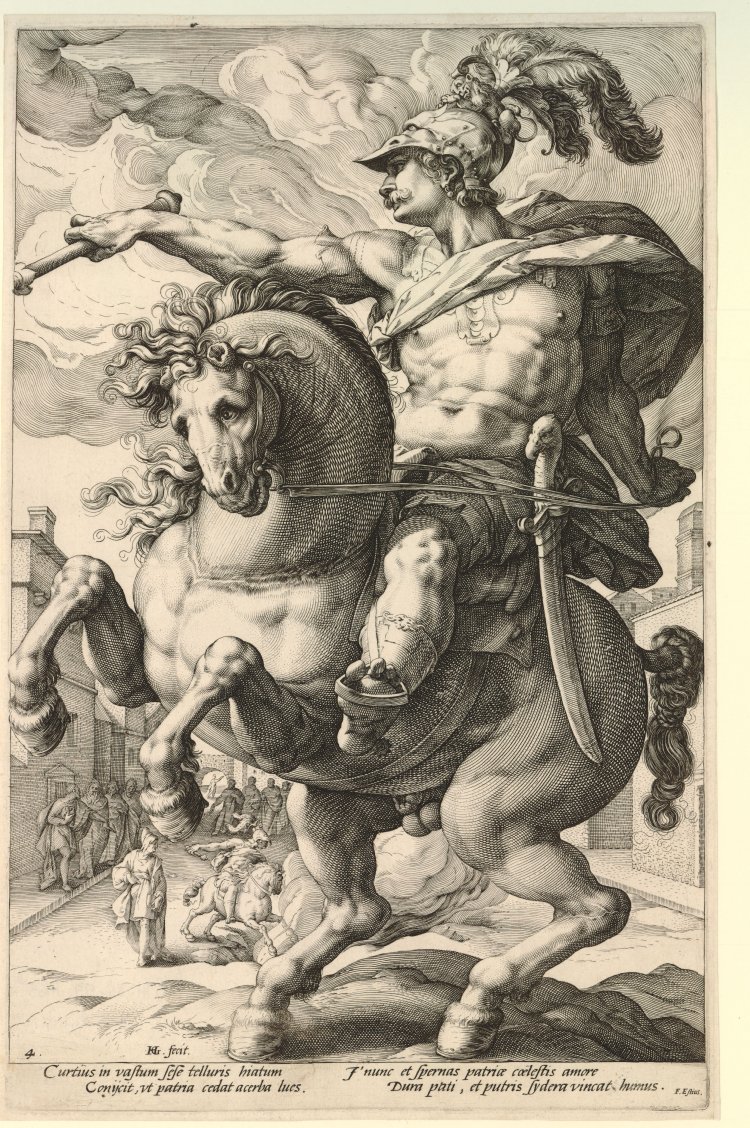
Marcus Curtius, The Roman Heroes series, 1586, Hendrik Goltzius
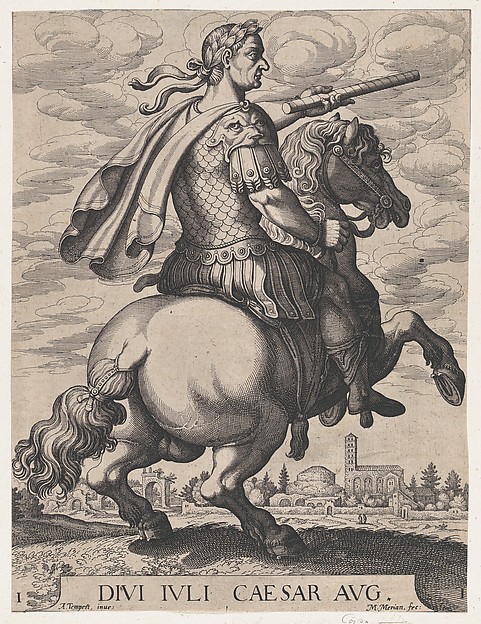
Emperor Julius Caesar on Horseback, plate 1, 1596, Antonio Tempesta
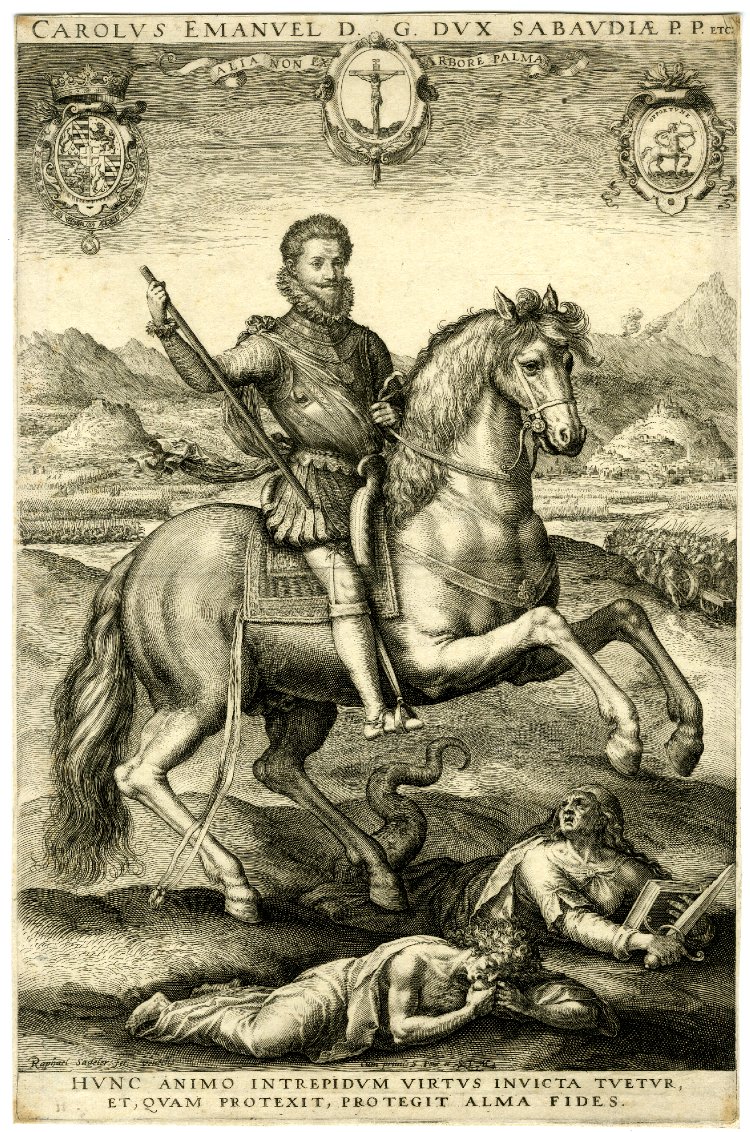
Equestrian portrait of Carlo Emmanuele, Duke of Savoy, 1580-1600, Raphael Sadeler I
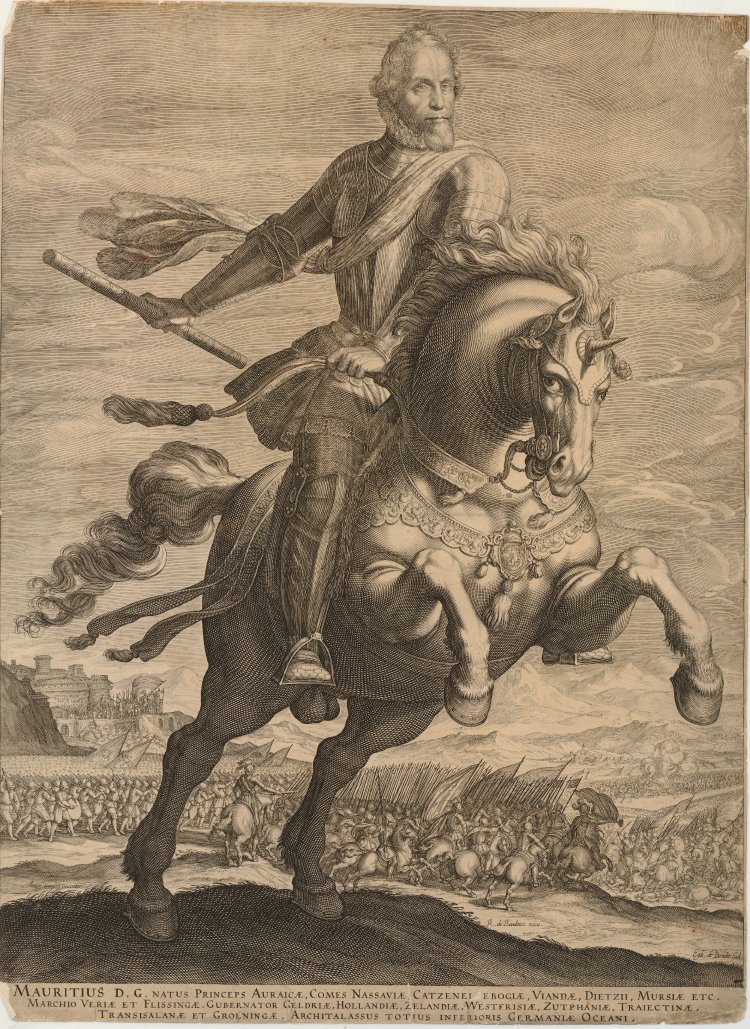
Portrait of Maurice of Nassau, Prince of Orange, cr. 1596-1637, Antonio Tempesta, Italy and Netherlands
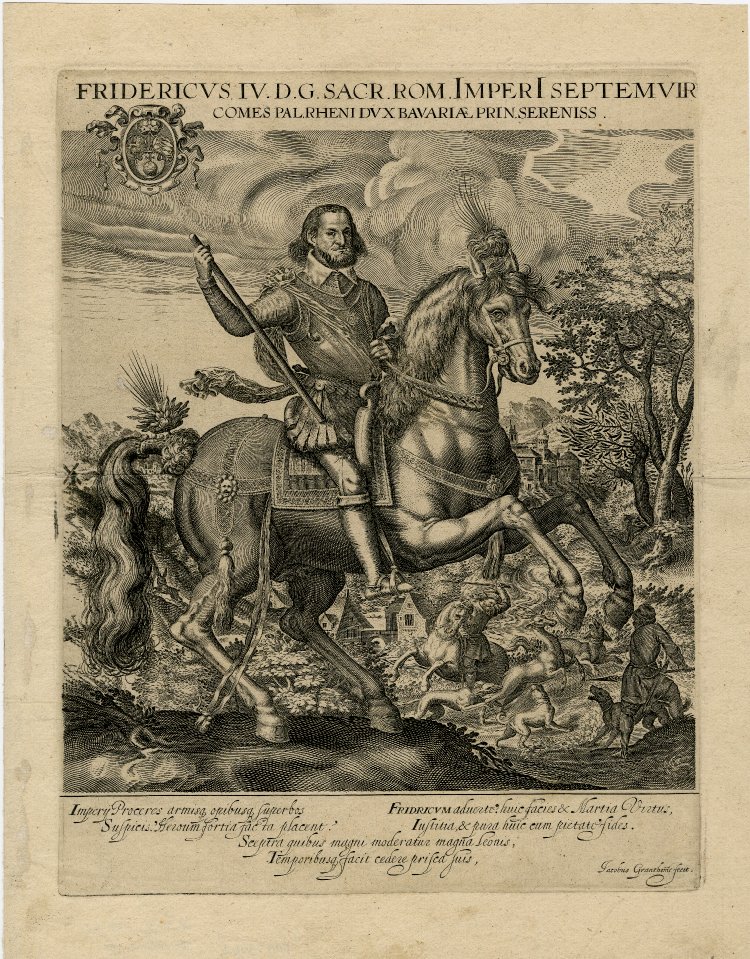
Portrait of Elector Frederick IV, 1592-1622, Jacques Granthomme, France
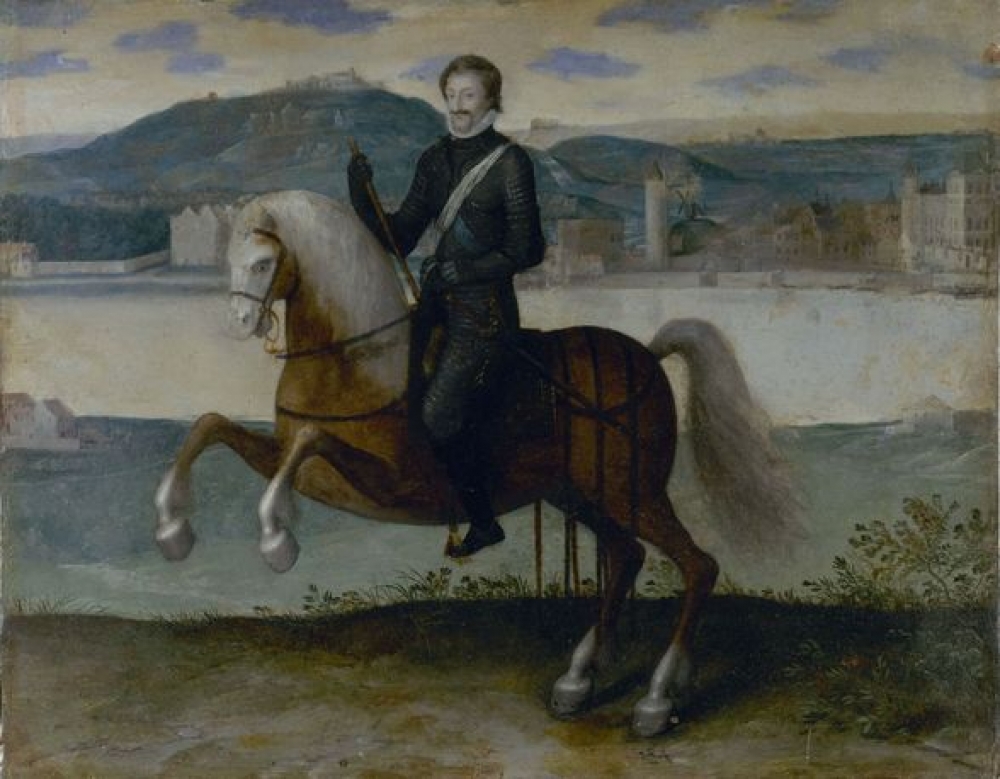
Portrait of Henri IV on horseback with Paris on the background, 1553-1610, probably after 1594, ?
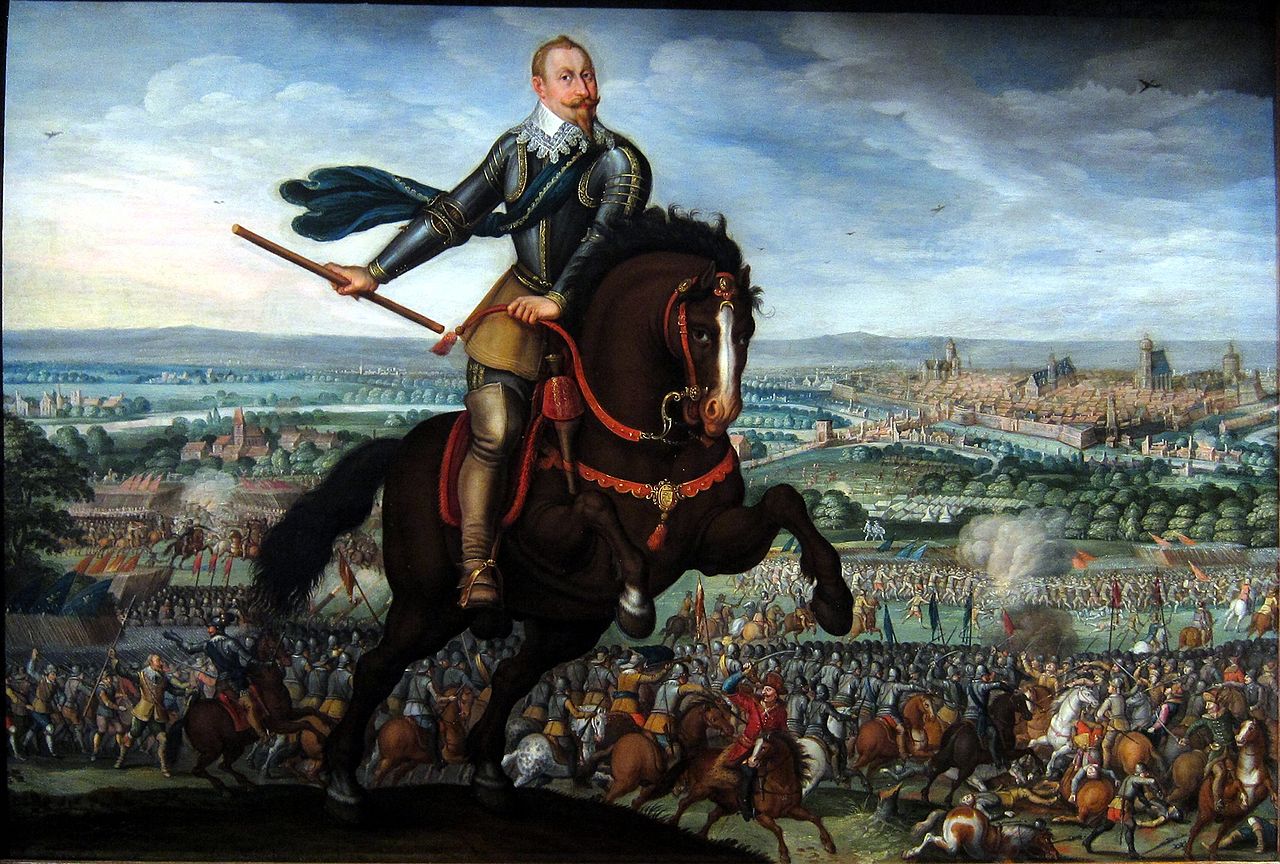
Gustavus Adolphus of Sweden at the battle of Breitenfeld, 1632, Johann Walter
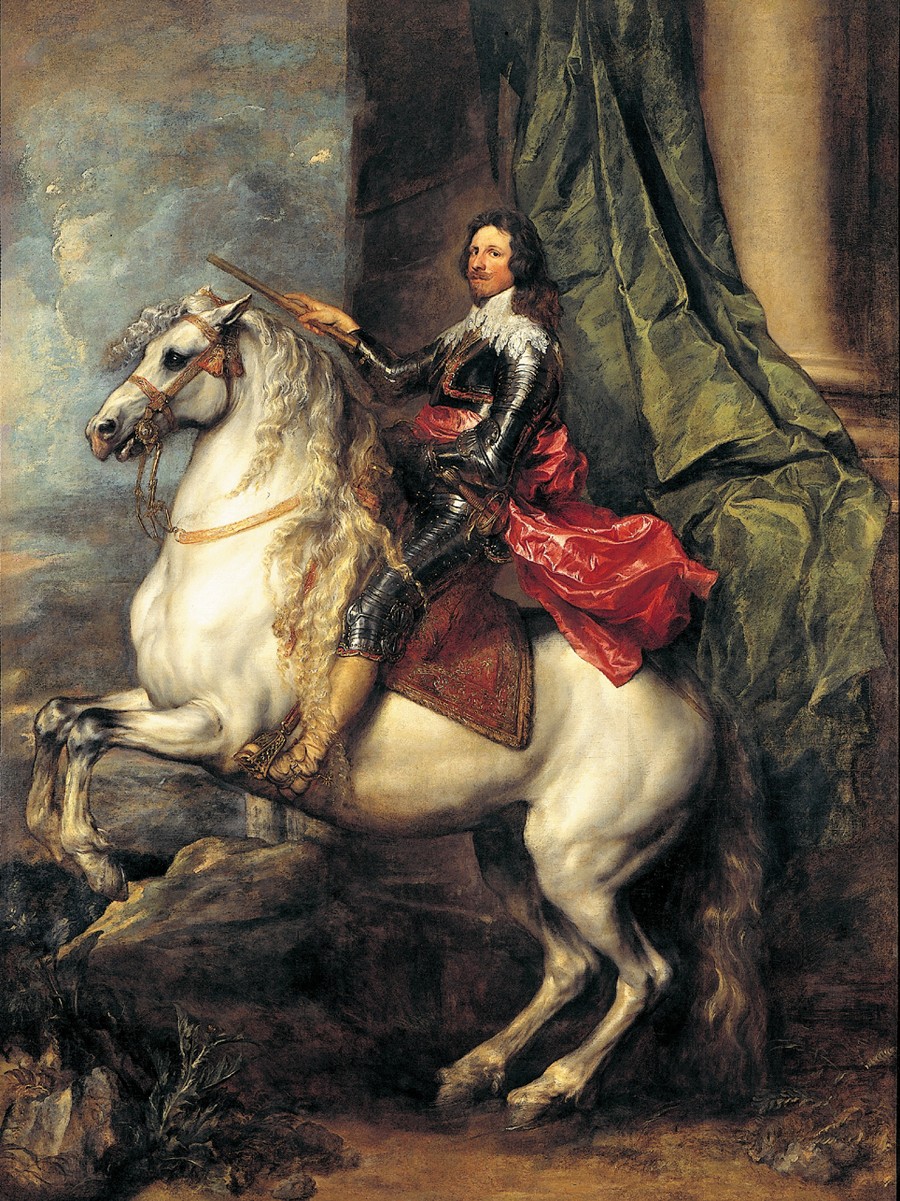
Equestrian portrait of Prince Tomaso of Savoy-Carignan, son of Charles Emmanuel I, Duke of Savoy, 1634-5, Anthony van Dyck
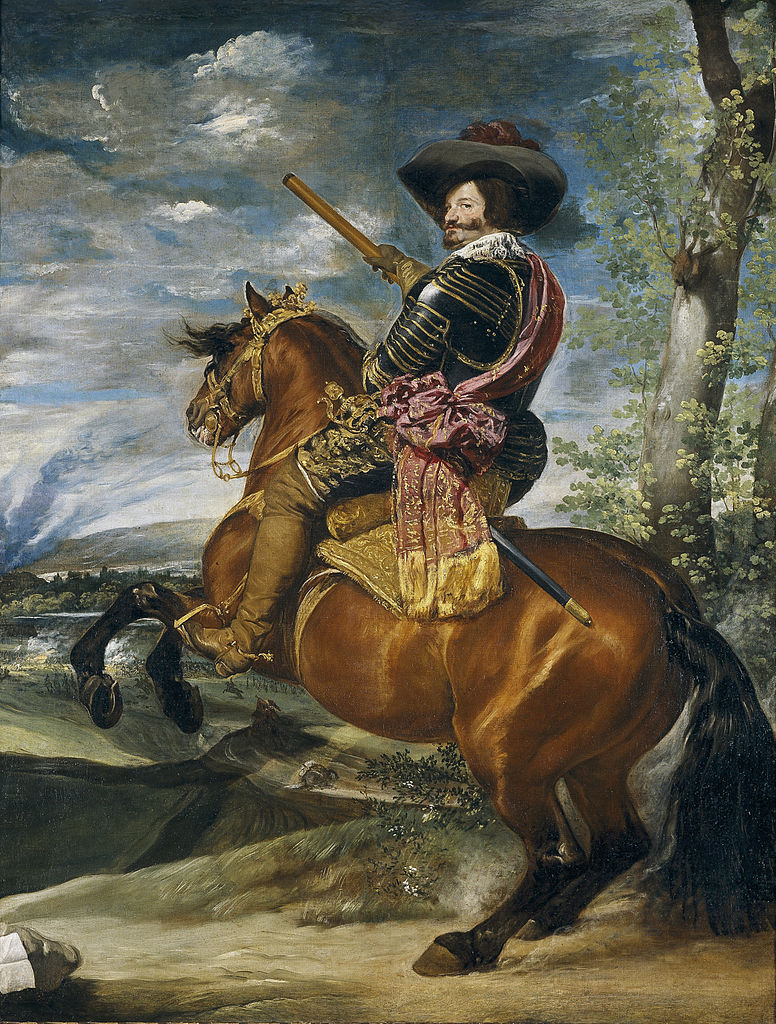
Equestrian Portrait Of The Count-Duke Of Olivares, 1634, Diego Velázquez
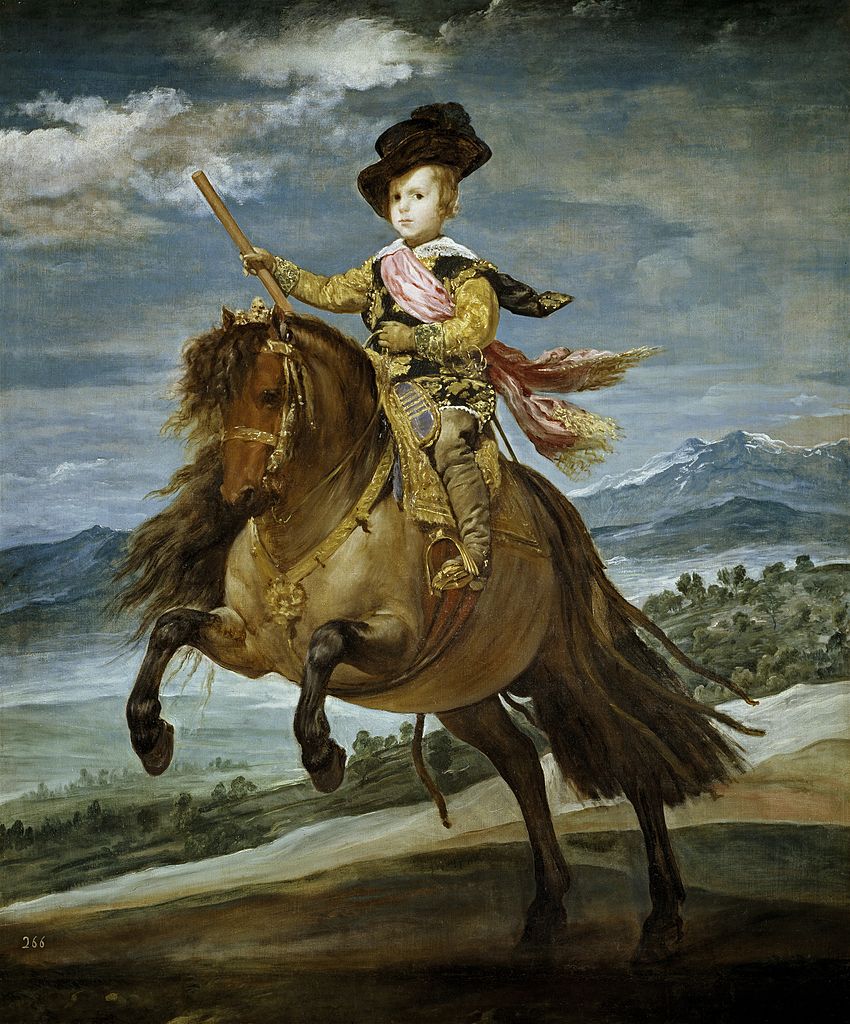
Equestrian Portrait of Prince Balthasar Charles, 1634-5, Diego Velázquez
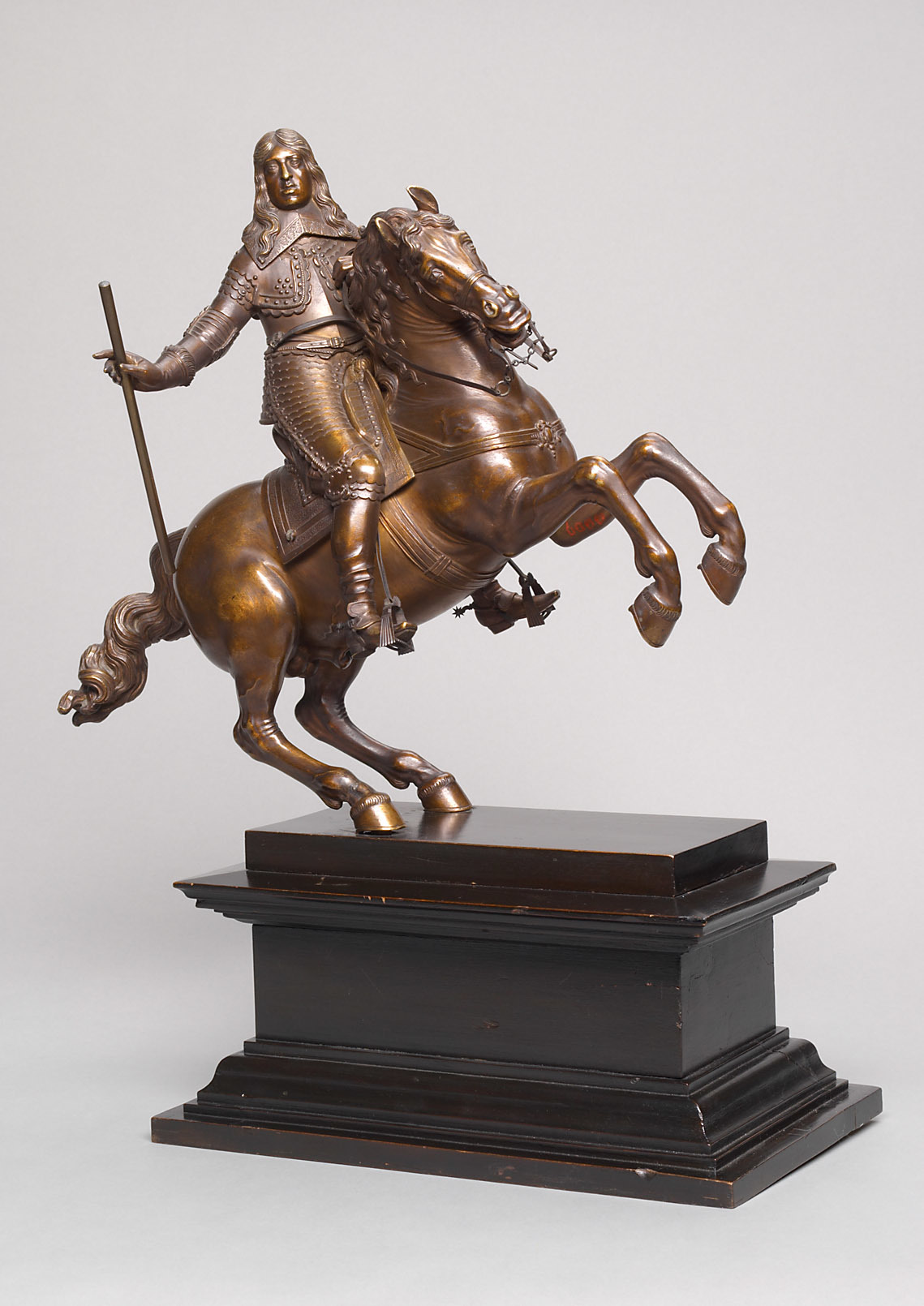
Archduke Leopold, later Emperor Leopold I, 1600-1658, Caspar Gras
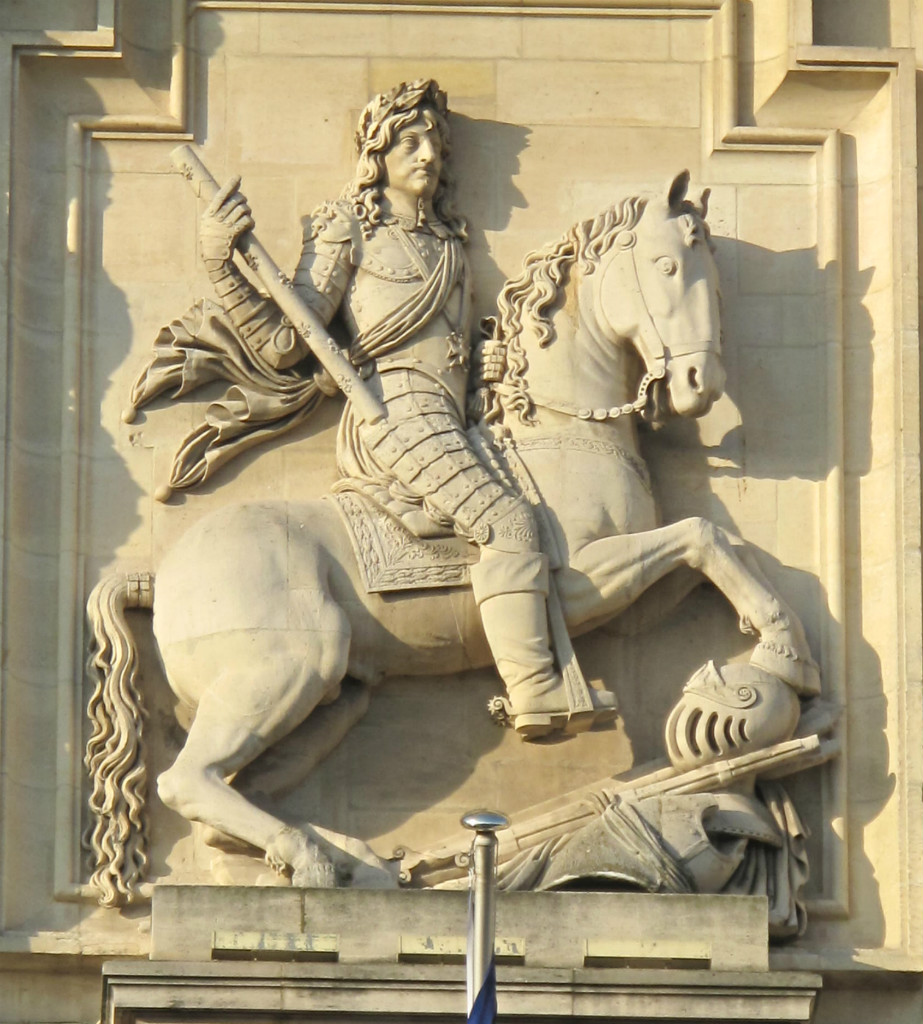
High relief of king Louis XIII on horseback, 1818, after the statue by Nicolas Jacques destroyed at the Revolution (1792)
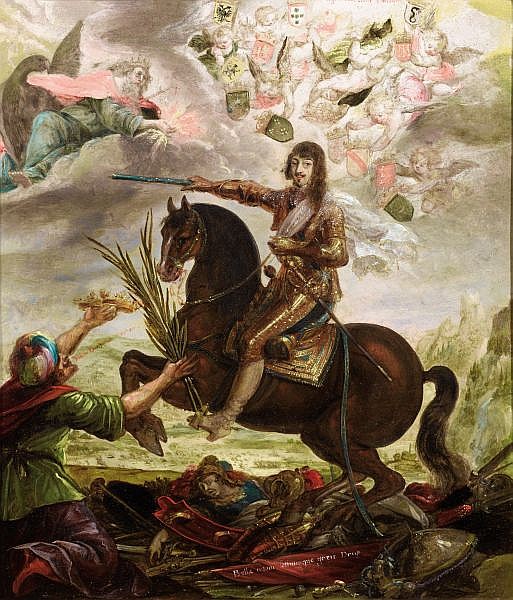
Equestrian portrait of victorious Louis XIII, 17th century, Claude Déruet (attributed to)
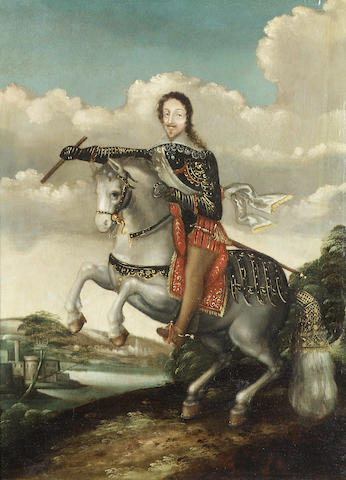
An equestrian portrait of a gentleman, ?, Studio of Claude Déruet
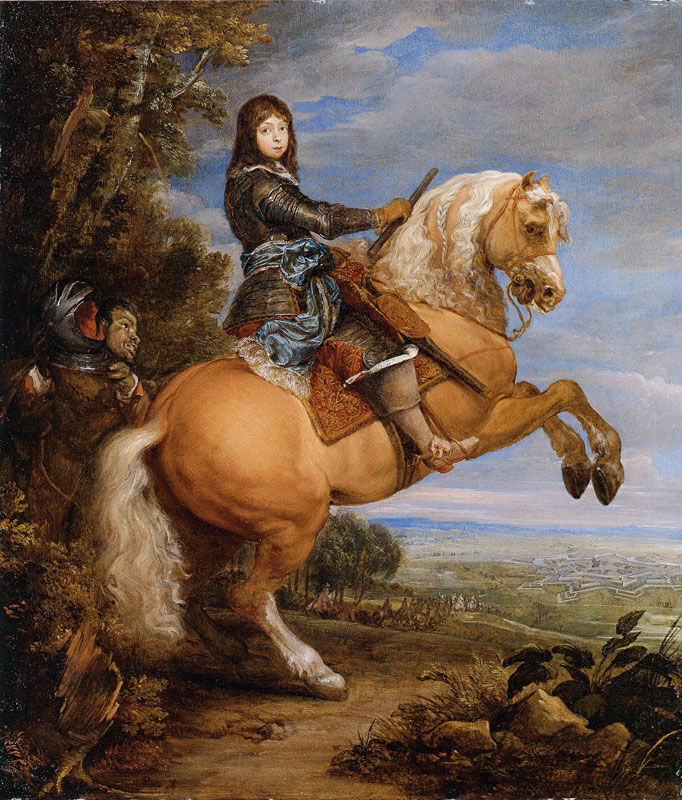
Equestrian portrait of Louis II de Bourbon, the Grand Condé, as a boy, 1643-7, Gonzales Coques
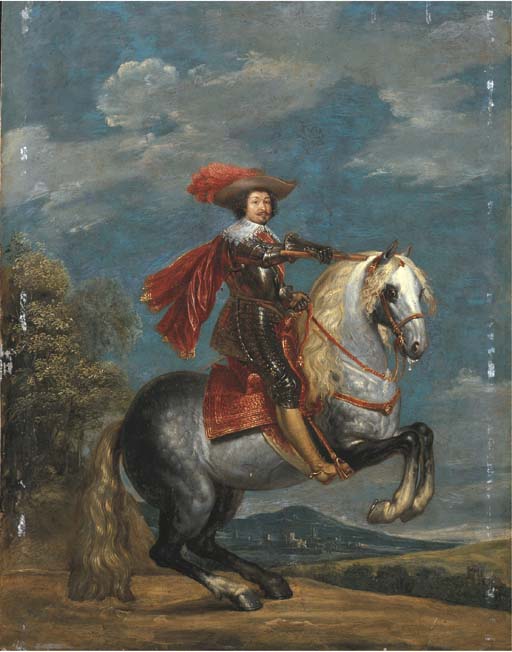
Equestrian portrait of a prince in armour, with the Order of the Golden Fleece, before 1684, Gonzales Coques
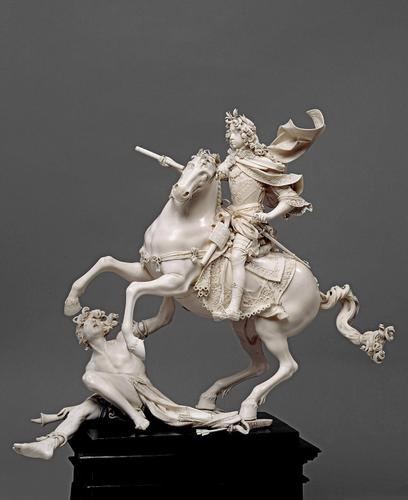
Equestrian statuette of King Josephs I, 1693, Matthias Steinl, Austria
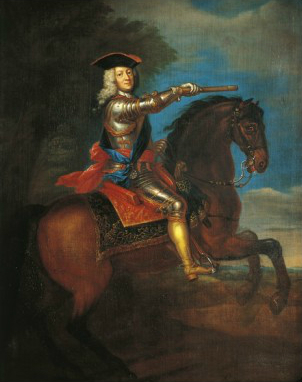
Equestrian Portrait of King George I of Great Britain, before 1723, Godfrey Kneller
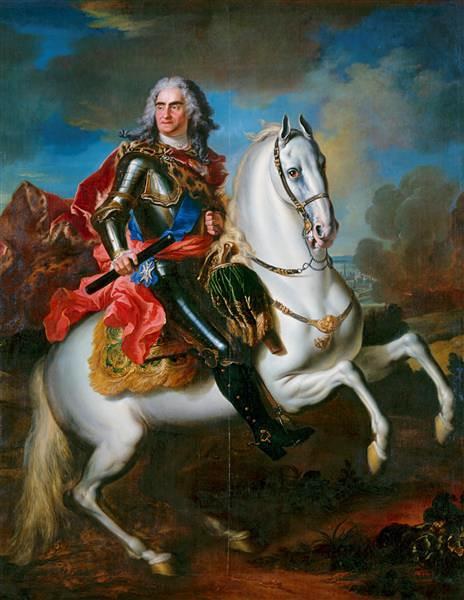
Equestrian portrait of August II the Strong, circa 1718, Louis de Silvestre
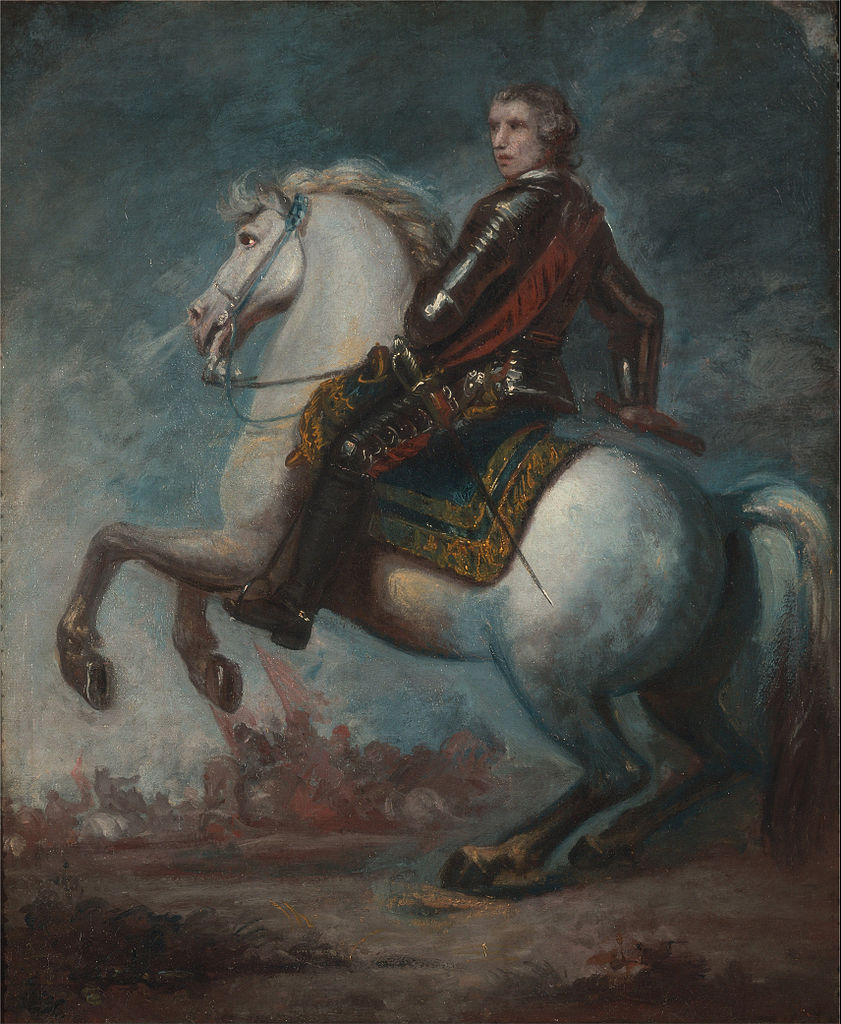
Sir Jeffrey Amhers, cr.1768, Joshua Reynolds
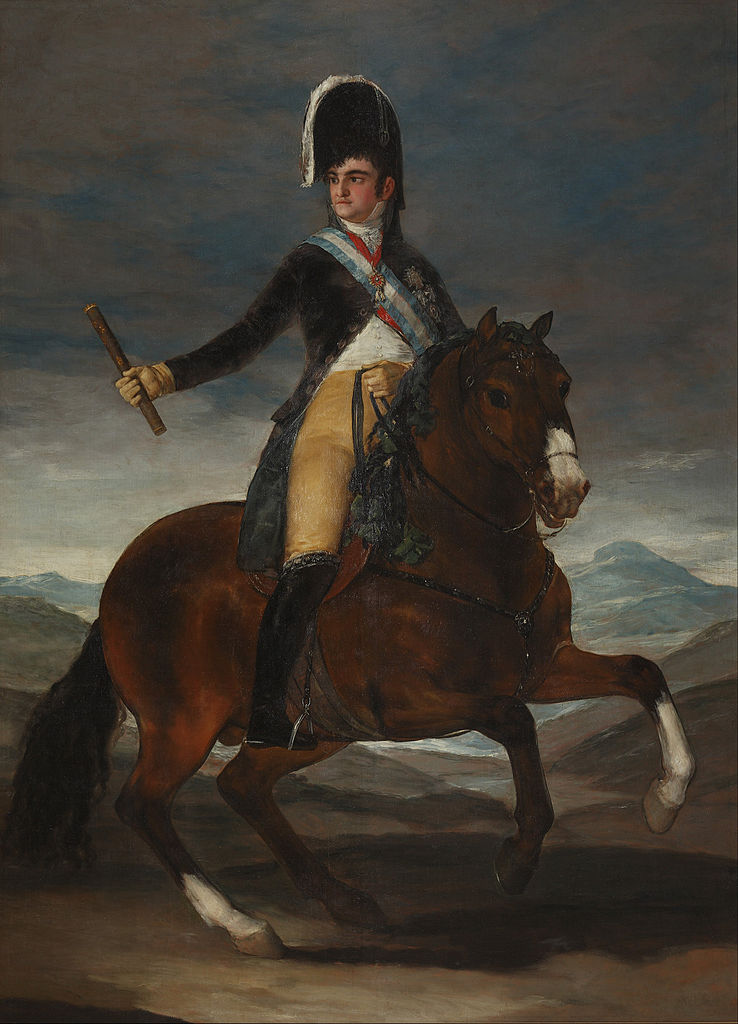
Equestrian Portrait of Fernando VII of Spain, 1808, Francisco Goya
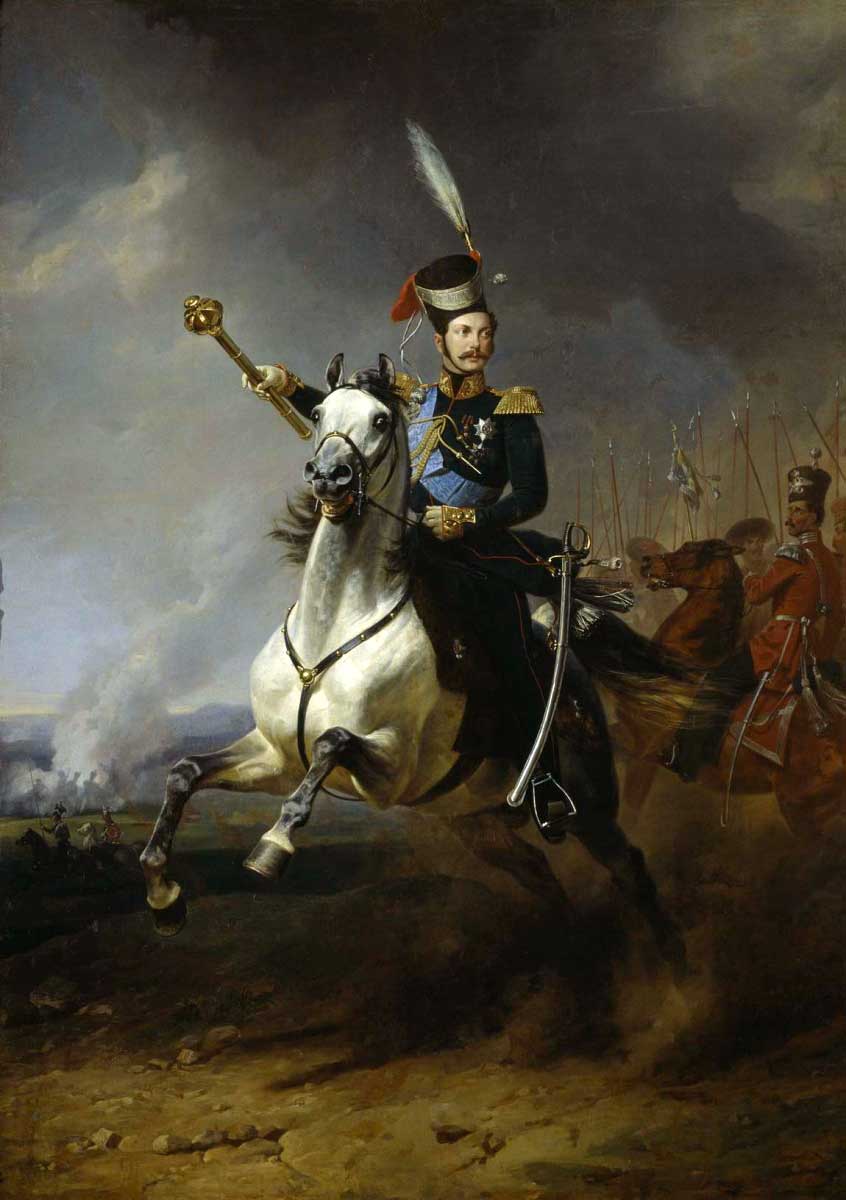
Future emperor Alexander II of Russia, 1840, Franz Kruger
Horsemen Hunting With Dogs For 2,000 Years
↑ Back To Table Of Contents ↑
Cliché of a hunter on a rearing horse with a hunting dog underneath the horse has equally been popular with many cultures. It might seem like a very obvious iconography – and indeed it is – however it also highlights the cultural continuity, where the form changes, but the subject persevers.
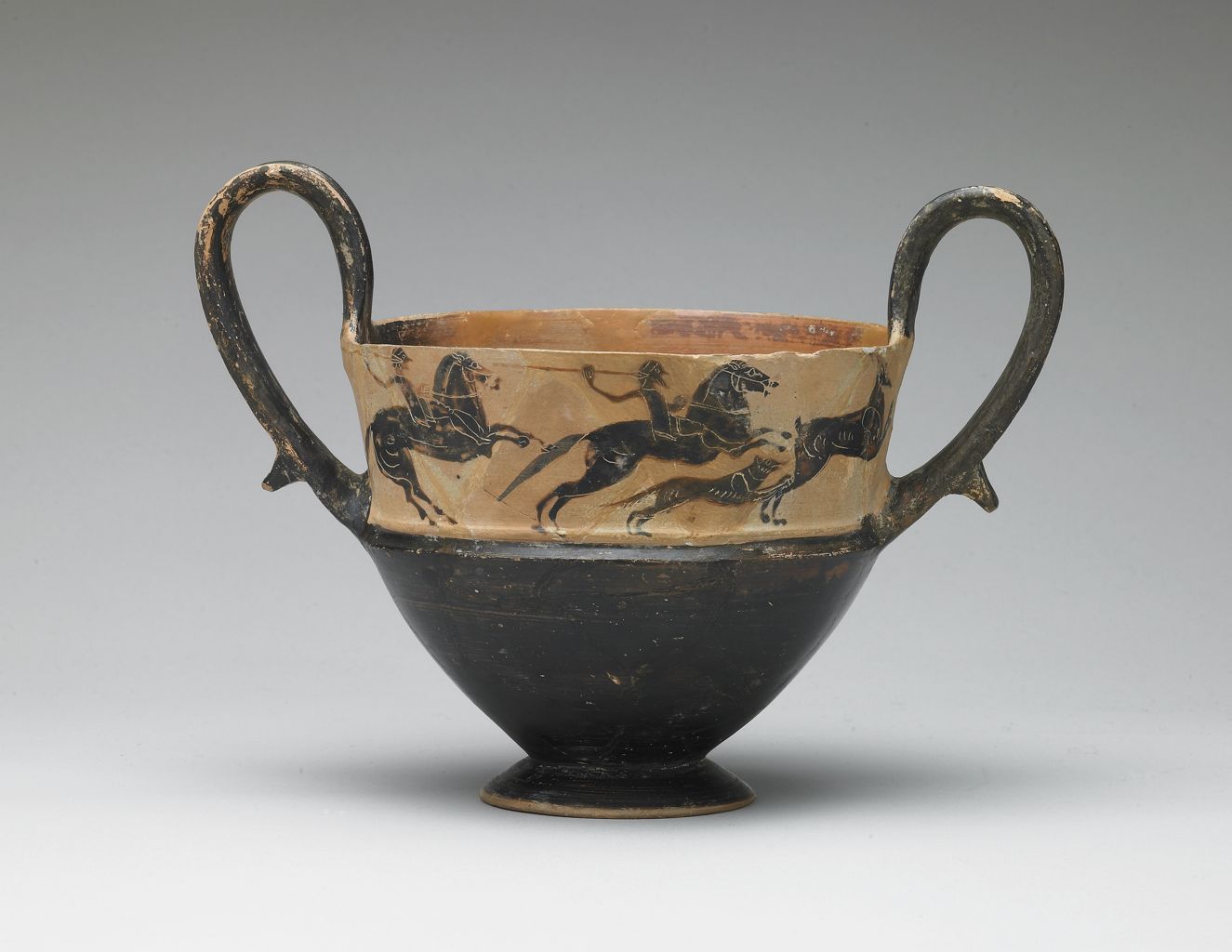
Kantharos with the depiction of two horsemen with spears and dog hunting stag, mid-6th century BC, Boeotian
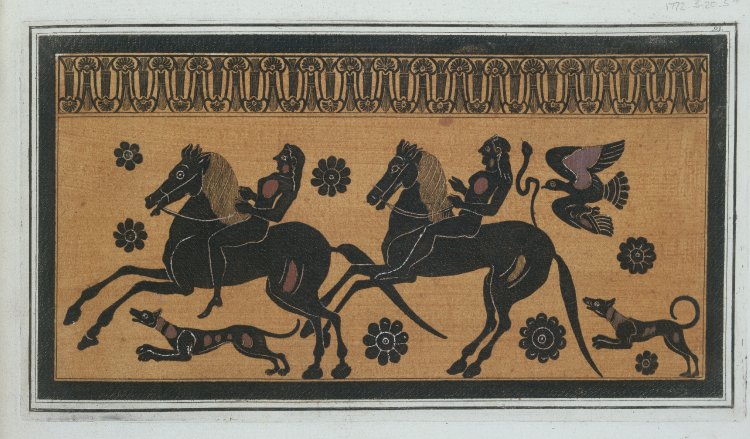
Amphora with the Dioscuri on horseback, cr. 500 BC, Attic
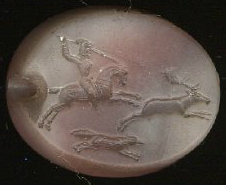
Cylinder seal with a scene of a rider in a Median dress with a spear and a dog chasing a fallow deer, 538 BC-331 BC, Achaemenid Persia
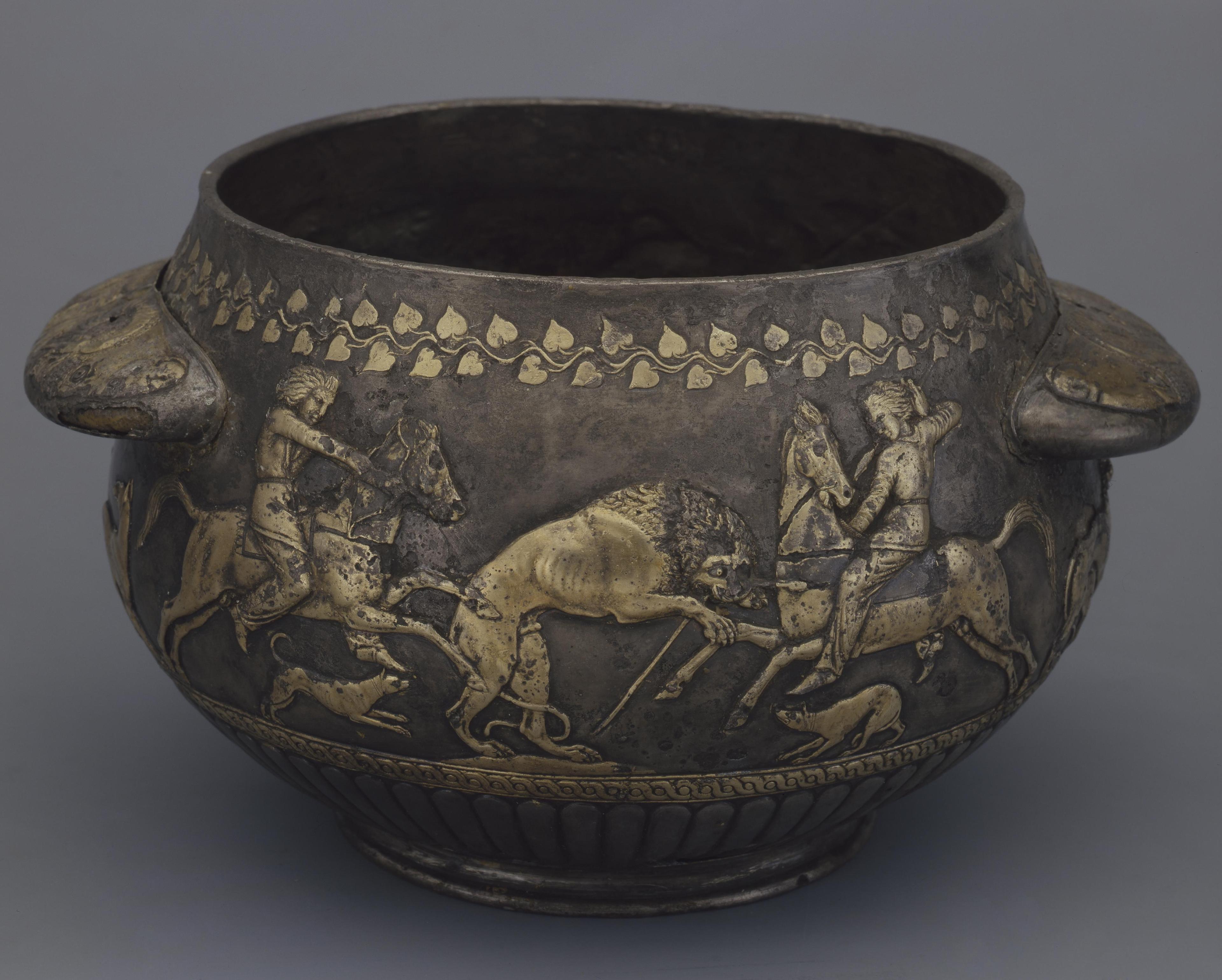
Bowl with the Depiction of a Lion-Hunt, Early 4th century BC
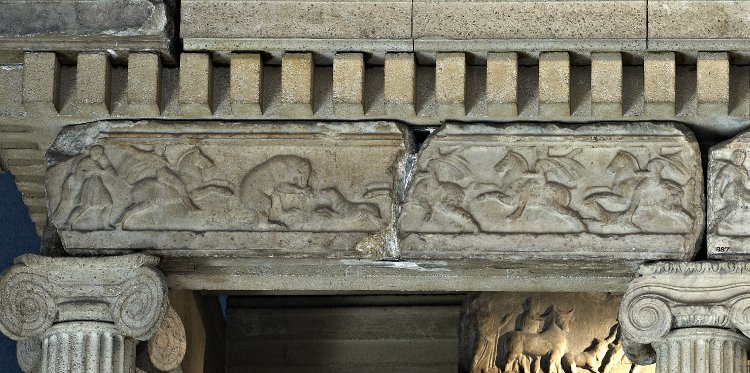
Detail of the architrave frieze of the Nereid Monument showing a dynast at the bear hunt, cr. 390-380 BC, classical Greek, Xanthos in Lycia, close to present-day Fethiye in Mugla Province, Turkey
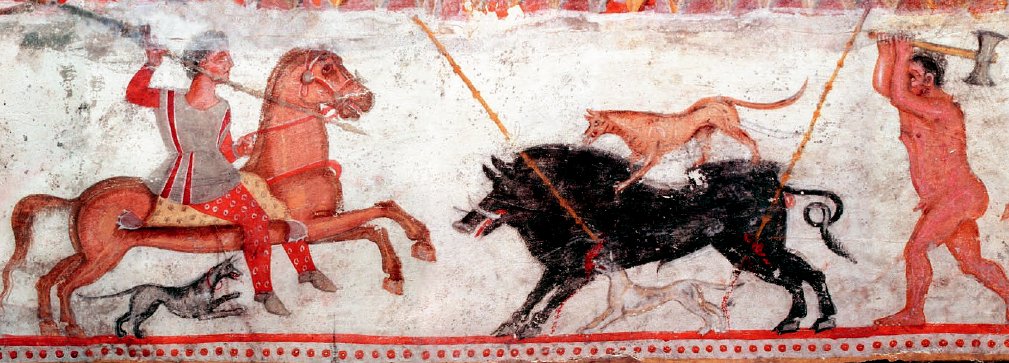
Aleksandrovo tomb, fragment of a mural, 4th century BC, Haskovo district, Bulgaria
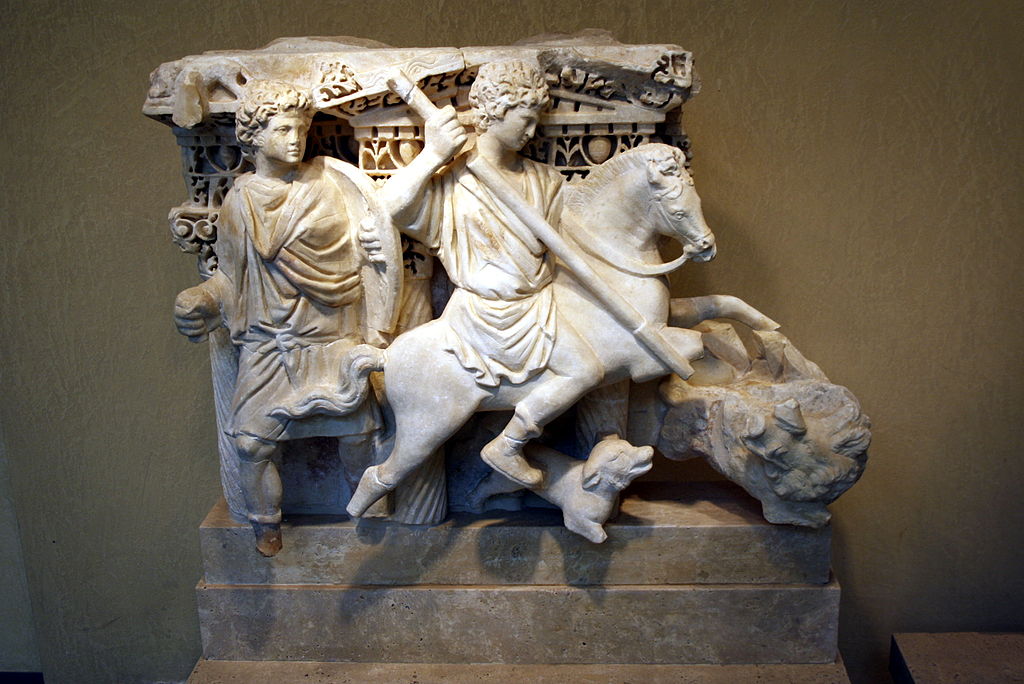
Fragment of a sarcophagus of the type called 'Sydamara sarcophagi', 3rd century, Asia Minor
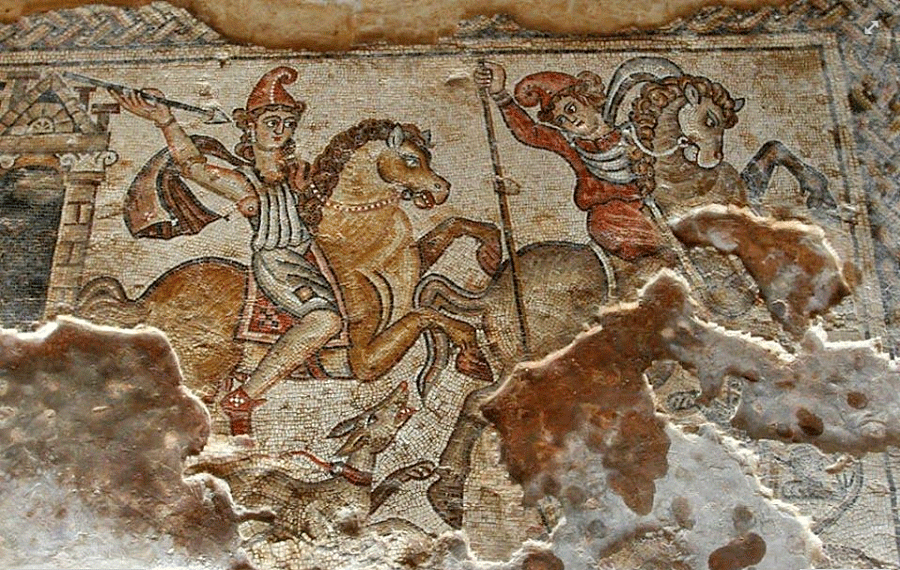
Mosaic with a scene of hunting Amazons, 4th or 5th century, Nile House, Tzippori (or Sepphoris, or Zippori) National Park, Palestine (modern Israel)
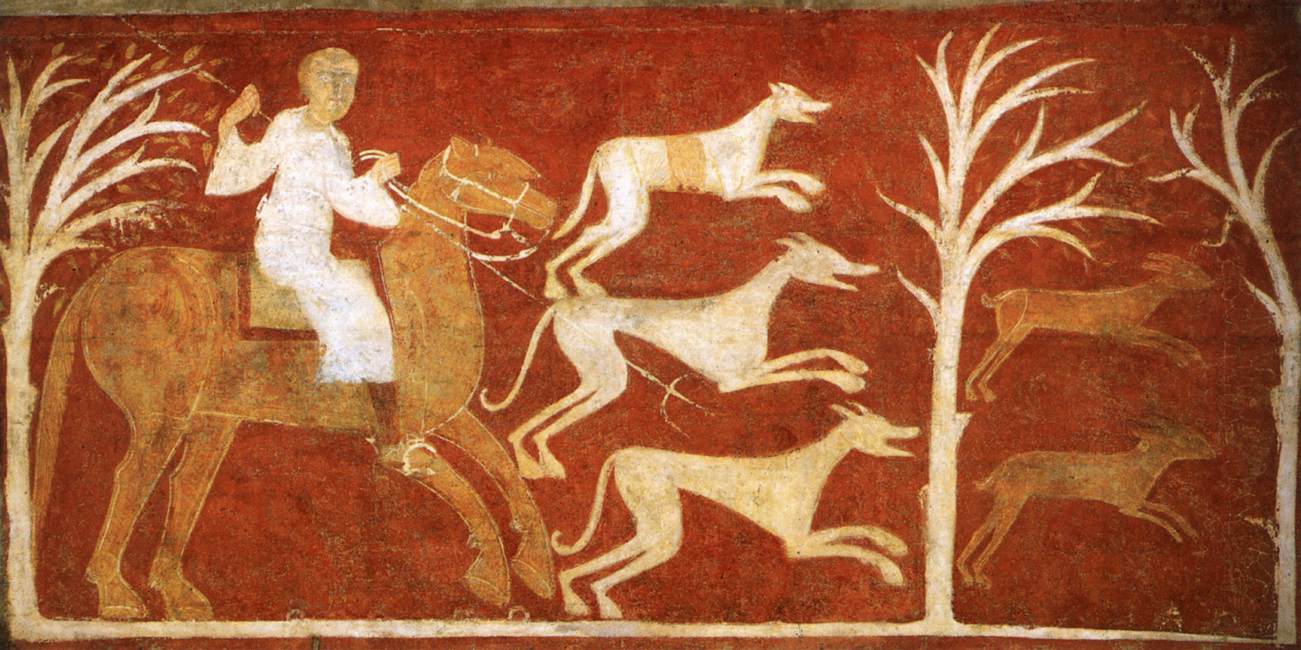
Hunt of the Hare, fresco painting on mural transferred to canvas, cr. 1125, Hermitage of San Baudelio, Casillas de Berlanga, Soria, Spain
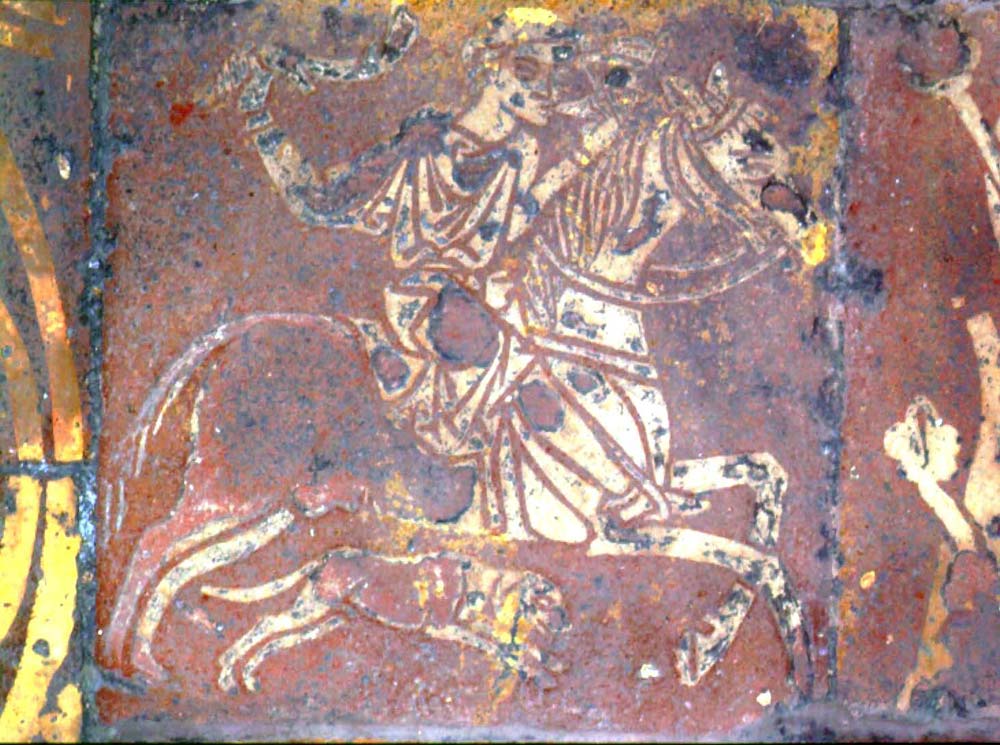
Inlaid tile showing a hunter on horseback and a dog, medieval, Chapter House, Westminster Abbey, London, U.K.
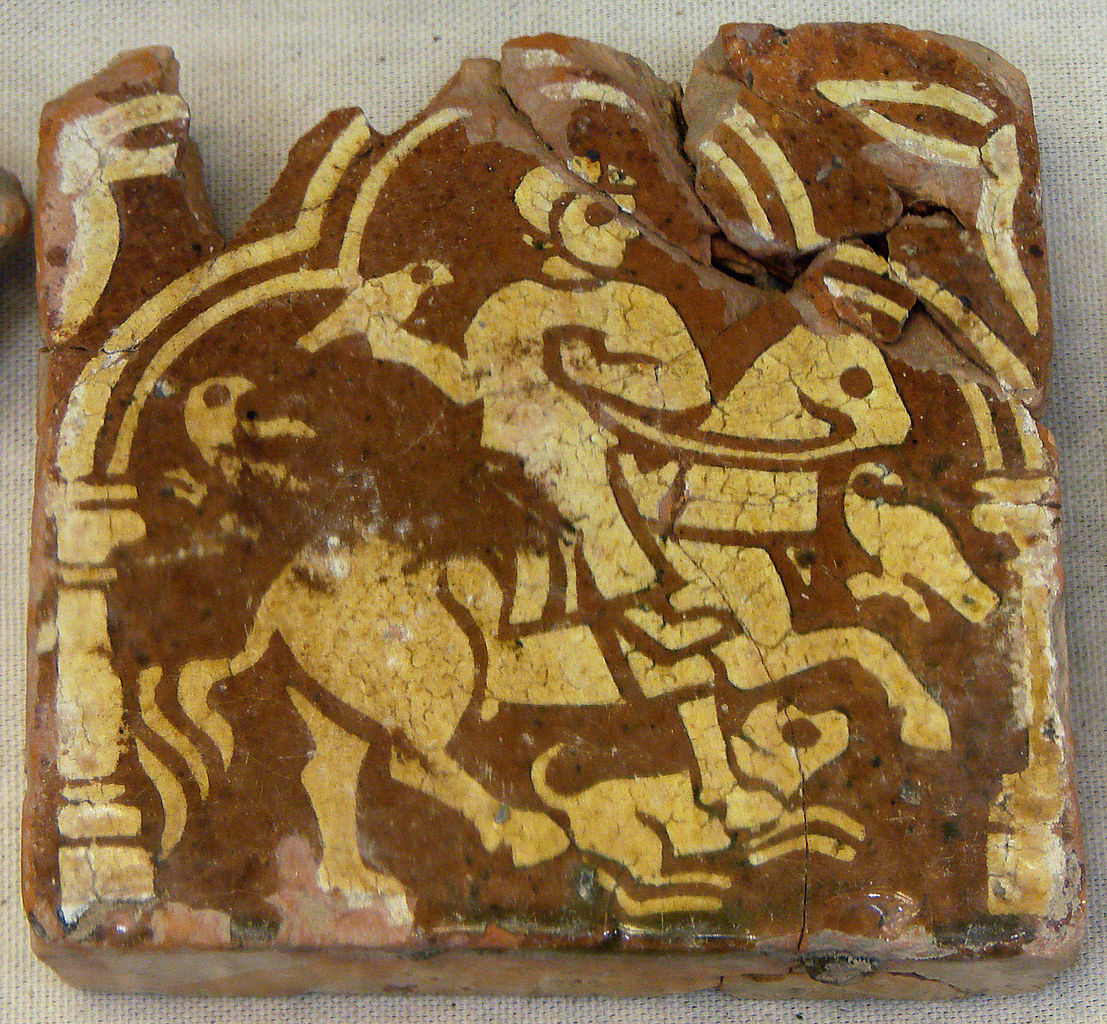
Inlaid tile showing a hunter with a dog, 13th-15th century, Laon region, France
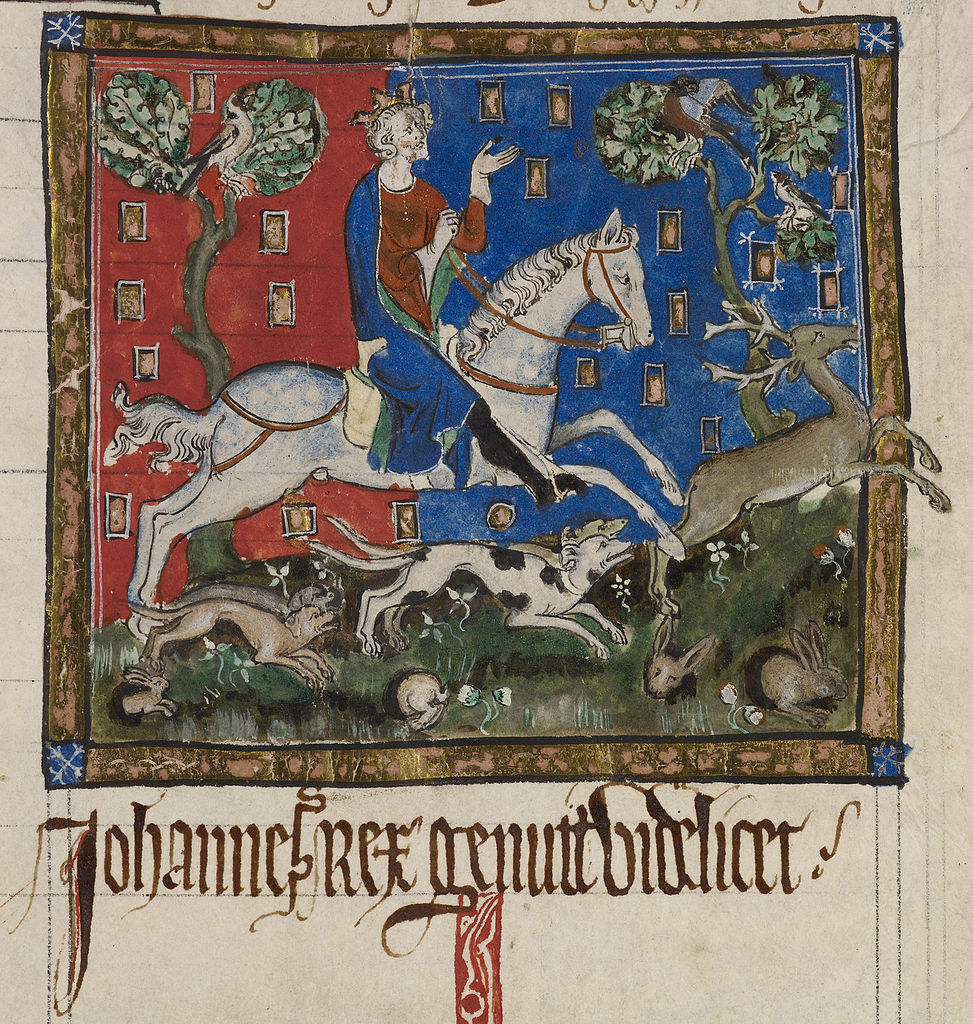
King John hunting, 14th century, England
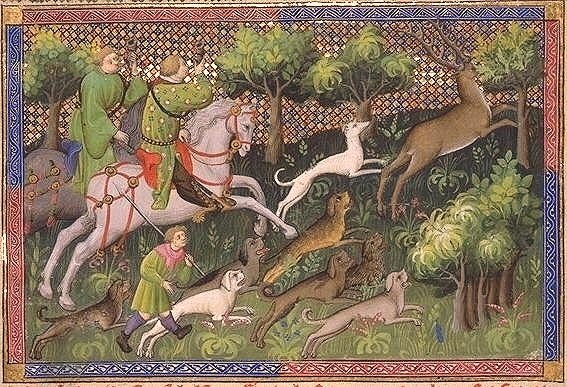
Hart-hunting with greyhounds and raches, illustration of The Hunting Book of Gaston Phebus, early 15th century, France
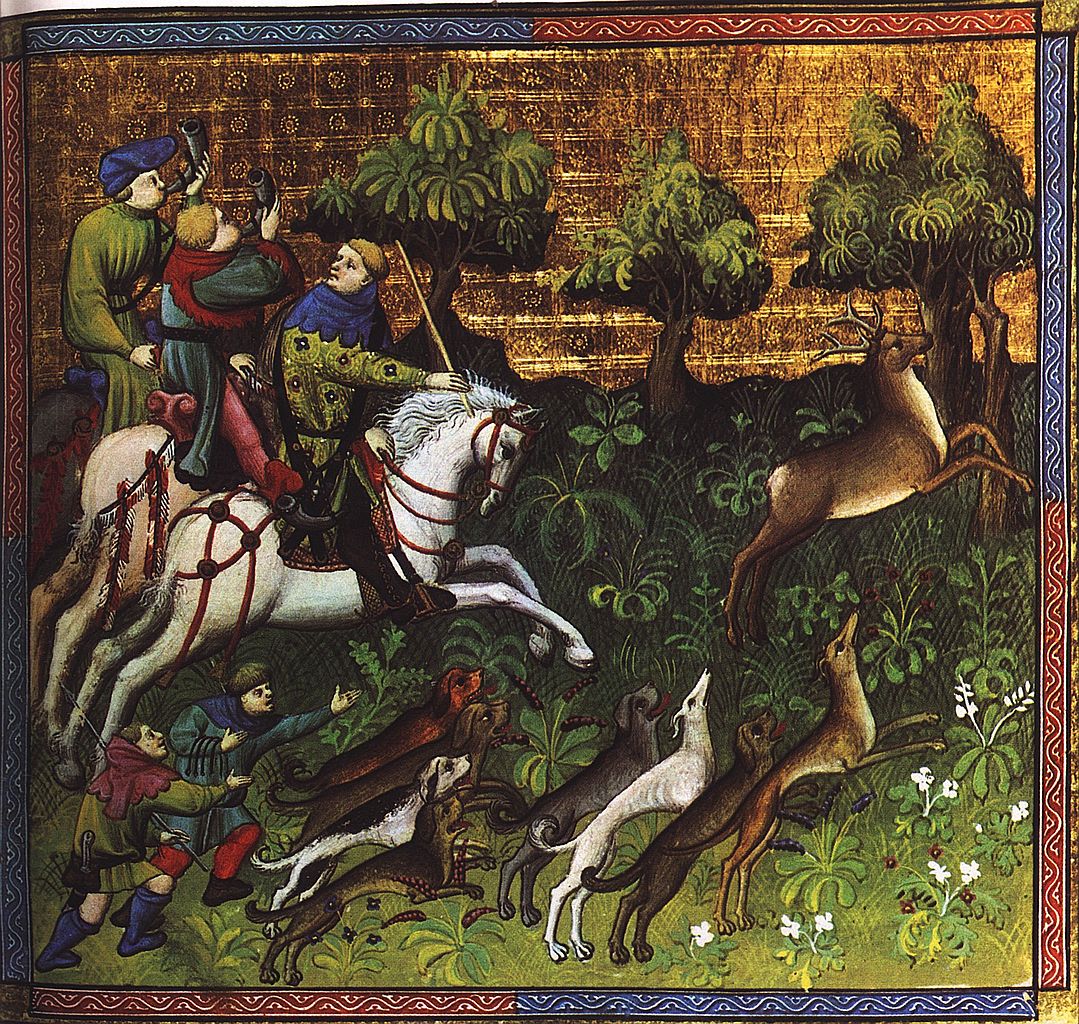
Deer-hunting with greyhounds, illustration of The Hunting Book of Gaston Phebus, early 15th century, France
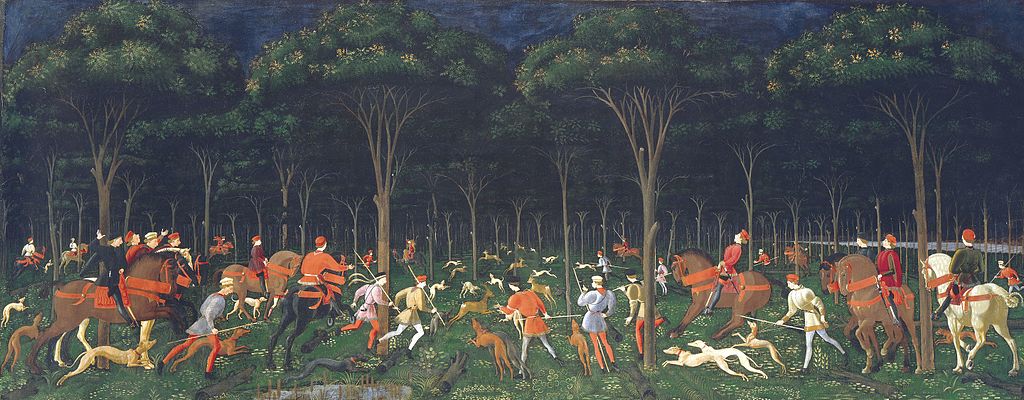
The Hunt in the Forest, cr. 1470, Paolo Uccello, Florence, Italy
Cliché Created In 2011
↑ Back To Table Of Contents ↑

Nataly Osmann and Murad Osmann, Web Summit 2017 in Lisbon
Clichés are still all around us, even if we don not notice them. If you use
Instagram, you might have noticed that there is a large number of quite similar images. These clichés are fashionable “must-haves”. They make an object of envy, and attract likes and followers.
One example is #followmeto: a lady with her back to the viewer leads her cameraman by the hand (cameraman’s hand is visible) to some interesting destination. This trend was created by a Russian couple Murad Osmann @muradosmann and @natalyosmann back in 2011. Murad says he started taking the photos almost by accident after his then-girlfriend Natalia became annoyed of him taking pictures and grabbed his hand and pulled him forward – and he carried on taking pictures.
Many Instagram users have started to follow the trend. It is hard to estimate how many such photos were taken, probably between 100,000 and 1,000,000 on Instagram alone.
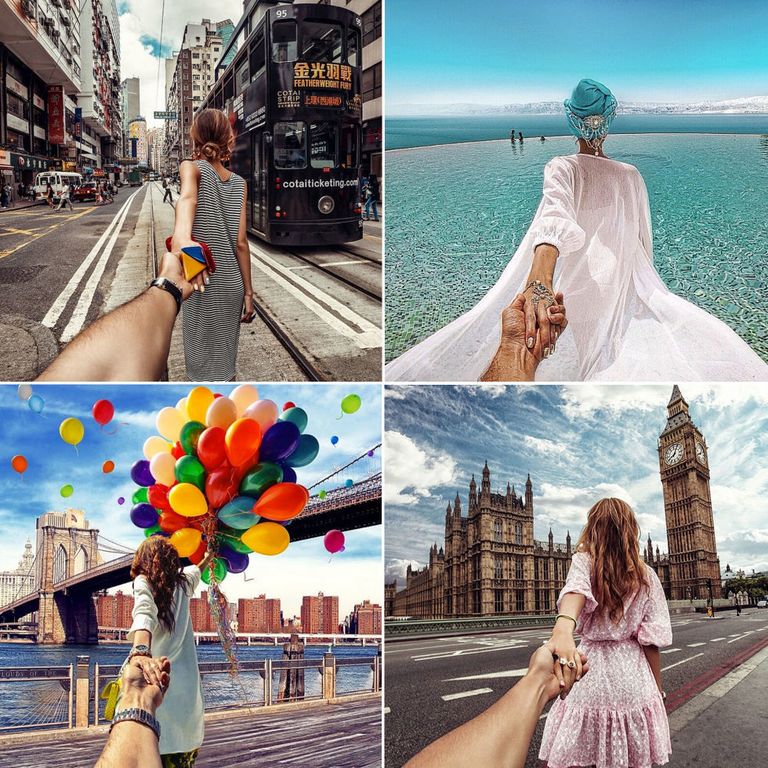
Selection of #FollowMeTo photos by Murad Osmann and Natalia Zahkarova

Ladies leading by the hand into the wild by various Instagram users
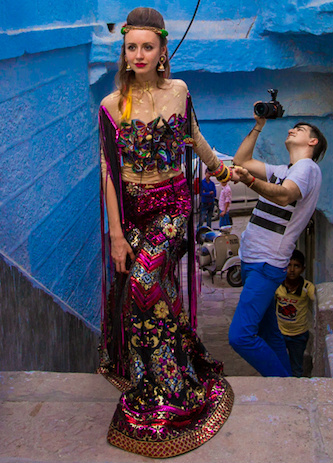
Behind the scenes of one of #FollowMeTo photos made by Murad Osmann and Natalia Zahkarova
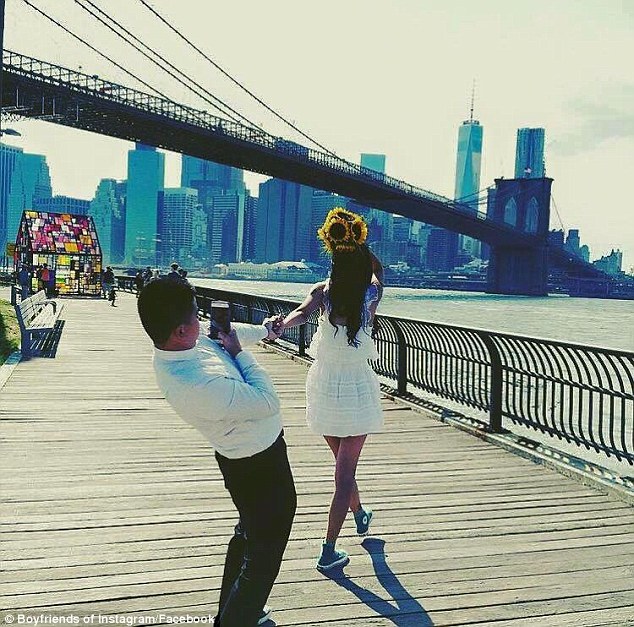
Behind the scenes of a #FollowMeTo photo of an unknown Instagram user
Leave a Reply